XRP Surges 5% on Bitcoin Momentum, But Reversal Signal Remains Ambiguous
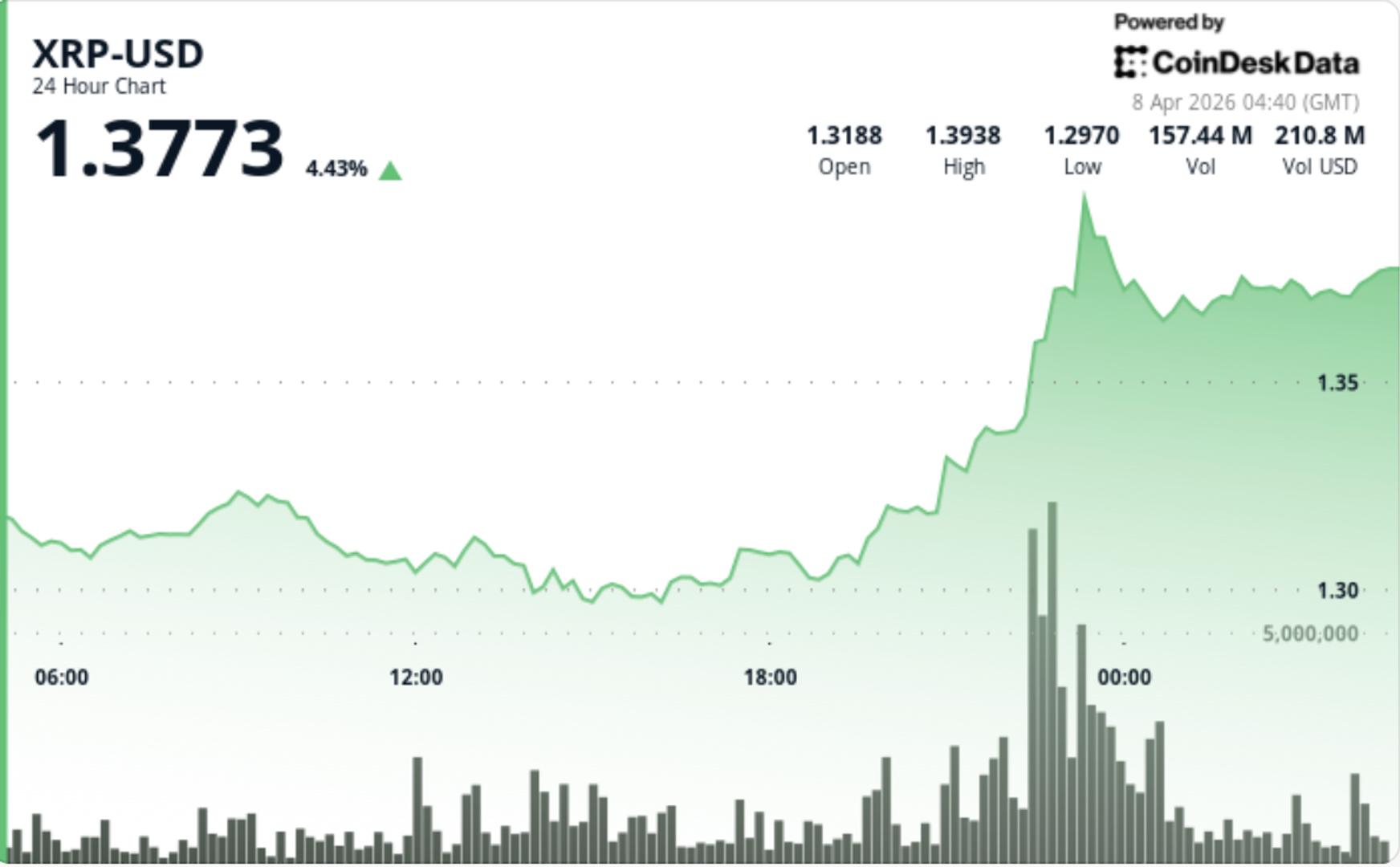
XRP rallied 5% amid broader Bitcoin strength, yet technical analysts remain cautious about confirming a sustainable trend reversal. The altcoin's recovery highlights the complex correlation between major cryptocurrencies and broader market sentiment.
Overview
Ripple's native token, XRP, experienced a notable 5% surge in recent trading, riding the momentum of strengthening Bitcoin performance across global cryptocurrency markets. The rally marked a significant intraday advance for the altcoin, which has faced considerable headwinds throughout the year as regulatory uncertainty and macroeconomic pressures continue to weigh on the broader digital asset ecosystem. However, despite the impressive single-day gain, technical analysts and market observers remain cautious about declaring a definitive trend reversal, citing mixed signals from key technical indicators and the need for additional confirmation from subsequent trading sessions.
The price movement underscores the persistent correlation between Bitcoin's performance and altcoin sentiment, a dynamic that has defined cryptocurrency markets for over a decade. When Bitcoin rallies with increased volume and sustained buying pressure, secondary assets like XRP typically benefit from improved overall risk appetite and renewed investor confidence. Yet this mechanical relationship masks deeper questions about XRP's fundamental trajectory, regulatory status, and long-term adoption prospects that will ultimately determine whether this week's gains represent the beginning of a more sustained recovery or merely a temporary relief bounce within a broader downtrend.
Market participants have grown increasingly skeptical of false breakout attempts following multiple instances in recent months where initial gains failed to sustain, eventually reversing into deeper losses. This hard-earned skepticism has created an environment where even significant single-day gains like XRP's 5% advance are greeted with cautious optimism rather than conviction. Understanding the nuances of this price movement requires examining the technical landscape, the catalysts driving Bitcoin's strength, and the specific challenges that continue to constrain XRP's performance relative to its historical valuation levels and peer cryptocurrencies.
Background
XRP has maintained a complicated position within the broader cryptocurrency ecosystem, despite its significant market capitalization and utility in cross-border payment solutions through Ripple's network infrastructure. The token faced a major headwind when the U.S. Securities and Exchange Commission (SEC) initiated legal action against Ripple Labs, arguing that XRP constituted an unregistered security in need of compliance with federal securities regulations. This regulatory uncertainty fundamentally altered market sentiment around the asset, creating persistent selling pressure from risk-averse institutional investors and traditional financial institutions that depend on regulatory clarity before allocating capital to digital assets.
The SEC lawsuit, which began in late 2020 and extended through multiple court sessions over subsequent years, created an extended period of legal ambiguity that depressed XRP's valuation relative to comparable alternatives. While Ripple achieved partial victories in certain phases of the litigation, and regulatory frameworks in various jurisdictions began offering clearer guidance on XRP's classification, the broader uncertainty never fully resolved. Each court filing, regulatory pronouncement, and political shift regarding cryptocurrency oversight has triggered sharp price movements, as market participants attempt to price in the probability of different regulatory outcomes and their implications for XRP's future utility and adoption.
Beyond regulatory challenges, XRP has faced competitive pressures from other blockchain platforms claiming superior technological advantages or more favorable regulatory positioning. Ethereum, Solana, Cardano, and numerous other layer-one blockchains have attracted substantial developer communities and ecosystem activity, creating network effects that benefit their native tokens. While Ripple's RippleNet boasts partnerships with numerous financial institutions exploring blockchain-based settlement solutions, the actual adoption and transaction volume remain modest compared to the aspirational messaging from Ripple's marketing and investor relations efforts. This disconnect between potential and current reality has created persistent skepticism about whether XRP will ever achieve the mainstream adoption necessary to justify valuations from previous bull market peaks.
The broader cryptocurrency market context also shapes XRP's performance trajectory. Bitcoin's price action serves as the psychological and technical centerpiece of all cryptocurrency trading, with altcoins typically moving in sympathy with Bitcoin's directional bias. When Bitcoin experiences sustained rallies on improving macroeconomic sentiment, strong institutional demand, or positive regulatory developments, altcoins typically benefit from a "rising tide lifts all boats" dynamic. Conversely, when Bitcoin faces selling pressure or consolidates at resistance levels, altcoins often experience disproportionate losses, as risk-averse investors first rotate out of less-established assets before trimming Bitcoin exposure.
Key Developments
Bitcoin's recent strength stemmed from multiple converging catalysts that improved risk sentiment across global financial markets. Economic data from developed nations suggested potential peak inflation concerns were fading, supporting expectations that central banks might moderate their aggressive interest rate hiking campaigns. This expectation triggered broad-based rallies in risk assets, from equities to commodities to cryptocurrencies. When traditional risk assets strengthen, Bitcoin often benefits as investors seek exposure to alternative stores of value and inflation hedges. The Federal Reserve's messaging regarding potential future rate cuts, combined with moderating inflation prints, created an environment where Bitcoin's digital scarcity and fixed supply proposition resonated more powerfully with macro investors.
XRP's 5% rally occurred within a broader day of positive cryptocurrency market sentiment, with most major altcoins experiencing modest to moderate gains. The token initially broke through key resistance levels that had constrained its performance for several weeks, briefly testing levels not seen since previous bearish pressure cycles. Trading volume accompanying the move showed elevated activity but not the extreme surge that would typically accompany a sustainable trend reversal. Technical analysts noted that while the price movement was impressive in percentage terms, the absolute magnitude of volume and the breadth of the rally across the broader altcoin universe suggested temporary momentum rather than transformational conviction about improved XRP fundamentals or regulatory trajectory.
Ripple itself made no major announcements or developments coinciding with the price surge, indicating the move was primarily a technical and sentiment-driven phenomenon rather than catalyst-driven price discovery. This absence of fundamental news actually reinforced skepticism among some analysts, who interpret altcoin rallies without supporting news or developments as signs of low conviction trading and vulnerability to reversal. The company's ongoing work on Central Bank Digital Currencies (CBDCs) and institutional adoption initiatives continue progressing, but these long-term efforts rarely translate into immediate XRP token appreciation, as the economic benefits accrue primarily to Ripple as an enterprise rather than to XRP token holders.
The price action also reflected continued rotation dynamics within altcoin portfolios, where some investors systematically rebalance exposure following extended downtrends. When an asset like XRP declines significantly, trailing-stop portfolios and mechanical rebalancing strategies can trigger small buy orders that accumulate into noticeable buying interest if other conditions align favorably. These technical buying dynamics can create self-reinforcing price rallies that appear significant in the moment but may not reflect meaningful changes to underlying demand fundamentals or investor conviction about the asset's long-term prospects.
Market Impact
The 5% XRP surge distributed varied impacts across different market participants and cryptocurrency ecosystem segments. Long-position traders holding XRP exposure from previous lows experienced temporary marked-to-market gains that improved portfolio performance metrics. For investors holding larger positions accumulated over extended periods through dollar-cost averaging strategies, the rally provided some psychological relief following months of underwater positions and unrealized losses. However, the gains remain modest relative to previous bull market peaks, meaning even this appreciable single-day rally fails to reverse the broader downtrend that has defined XRP's price action throughout the current market cycle.
The altcoin rally may have attracted some momentum traders and technical break-out specialists who entered positions betting on further continuation higher. These traders typically employ tight stop-loss orders and trading discipline focused on quick gains rather than long-term conviction. The relative ease with which XRP reached resistance levels that had constrained it previously could trigger short-covering among traders who established bearish positions betting on further declines. When sufficient short covering accumulates, it can create self-reinforcing upside momentum that extends price movements beyond what underlying demand fundamentals might justify. This dynamic potentially extends the rally further in the short term but also increases vulnerability to reversal when momentum weakens and the rush to cover shorts concludes.
Institutional investors focused on regulatory clarity remain largely sidelined regarding XRP exposure, as the ongoing regulatory ambiguity maintains structural barriers to allocations. Even the single-day rally likely failed to convince traditional finance institutions to materially increase cryptocurrency exposure when the legal status of leading altcoins remains contested. However, retail investors and cryptocurrency-native trading firms showed increased activity, suggesting the rally found support from communities most committed to the digital asset ecosystem. The sentiment shift, while modest, may improve XRP's positioning among cryptocurrency exchange listings and derivative trading platforms where retail activity concentrates.
For Ripple Labs and token holders interested in broader ecosystem adoption, the rally provided modest psychological validation that continued development efforts maintain market support. The improved price dynamics may facilitate fundraising efforts and strategic partnerships by improving the perceived health of the token's market ecosystem. Yet sustainable appreciation requires much more substantial confirmation, including renewed accumulation by larger holders, institutional engagement, and clear regulatory pathway definition. A single 5% daily gain, however impressive superficially, represents insufficient validation of improved fundamentals or investment thesis to justify major portfolio allocation decisions from cautious institutional managers.
Risks and Considerations
The trend reversal uncertainty that dominates current XRP market sentiment reflects legitimate technical and fundamental risks that investors must navigate carefully. False breakout patterns have plagued cryptocurrency markets for years, where assets surge on temporary sentiment shifts only to reverse sharply into deeper lows, catching momentum traders and stop-loss orders as they accumulate losses. XRP's price history over the past multiple years shows numerous instances of impressive single-day or multi-day rallies that failed to sustain, eventually rolling over into extended declines that pushed prices substantially lower than their pre-rally levels. This pattern creates justified skepticism about whether current momentum represents genuine reversal or merely another temporary relief bounce destined for disappointing reversal.
Regulatory risks remain the dominant fundamental concern constraining XRP's ability to attract sustained institutional capital. Until the SEC litigation concludes definitively and legal clarity emerges regarding XRP's classification and compliance requirements, major financial institutions will likely maintain minimal exposure. Any regulatory negative surprise—such as unexpected enforcement actions, unfavorable judicial rulings, or political shifts toward stricter cryptocurrency oversight—could trigger sharp reversals that undo the current week's gains and extend downside pressure substantially further. Conversely, clear regulatory approval might catalyze massive institutional inflows, but such clarity appears unlikely in the near term given ongoing political divisions and bureaucratic complexities surrounding cryptocurrency classification.
Competitive risks from alternative blockchain platforms and cross-border payment solutions continue intensifying. Stablecoins increasingly serve the settlement functions that Ripple initially positioned XRP to provide, with platforms like Lightning Network on Bitcoin and layer-two solutions on Ethereum offering faster, cheaper transactions for many use cases. Central banks developing their own digital currencies through CBDCs further reduce the need for intermediary solutions that Ripple's network provides. These technological and institutional developments create a future where XRP's utility proposition deteriorates regardless of regulatory outcomes. The token's ability to appreciate meaningfully requires not just surviving regulatory challenges but also demonstrating clear competitive advantages in adopting functions that command economic value and premium compensation from users.
Macroeconomic headwinds could reverse current market sentiment shifts that support the Bitcoin strength underlying XRP's recent rally. Unexpected inflation persistence, geopolitical shocks, or financial market stress could trigger flight-to-safety dynamics that pressure risk assets including cryptocurrencies. XRP's high beta relative to Bitcoin and altcoin sentiment indices means that if risk sentiment deteriorates sharply, the token would likely experience disproportionately severe declines. The fragility of current momentum—dependent on sustained Bitcoin strength and improved macro sentiment—creates vulnerabilities to reversal that sophisticated investors must consider when evaluating whether recent gains warrant position increases or merely suggest profit-taking opportunities.
What to Watch
Market observers focused on XRP should monitor Bitcoin's technical level closely, as XRP's continued strength depends almost entirely on Bitcoin sustaining its current momentum and not reversing below key support levels. If Bitcoin consolidates current gains or experiences a pullback, XRP will likely follow, potentially reversing below the levels that appeared to break down resistance this week. The relative stability of Bitcoin's price action above key moving averages and support zones should guide expectations for altcoin performance more broadly. Watching Bitcoin's trading volume and whether rallies sustain on elevated volume provides critical clues about whether institutional capital genuinely re-engages with cryptocurrency risk assets or whether the recent strength reflects only short-term tactical positioning.
Regulatory announcements and legal developments regarding the ongoing SEC litigation remain critical catalysts for XRP's longer-term trajectory. Any court filings, judicial decisions, or settlements would likely trigger significant price volatility reflecting market reassessment of regulatory probability-adjusted outcomes. Investors should track Ripple's official communications regarding litigation status and engage with cryptocurrency legal analysis sources that monitor regulatory developments. Even minor shifts in legal positioning can trigger material price movements given the regulatory uncertainty that has dominated XRP's valuation for years. Additionally, SEC leadership statements or Congressional commentary on cryptocurrency oversight may signal regulatory direction even before formal enforcement actions or new rules materialize.
XRP's trading volume dynamics warrant close observation to distinguish between temporary momentum and sustainable demand. Volume profile analysis showing whether rallies achieve volume confirmation or merely push prices higher on deteriorating volume provides crucial context for assessing reversal probability. If XRP continues pushing higher while volume declines, it suggests exhaustion and vulnerability to reversal. Conversely, if price advances sustain on elevated or increasing volume, it indicates genuine accumulation and conviction about higher prices. Additionally, monitoring open interest in XRP perpetual futures markets provides clues about whether traders are establishing new leveraged long positions or merely rotating existing exposure.
The altcoin market breadth and whether other tokens participate meaningfully in the rally deserves attention as an indicator of overall sentiment health. If XRP rallies in isolation while other altcoins stagnate, it suggests sector-specific trading rather than genuine market-wide improvement in risk appetite. Conversely, if the entire altcoin complex participates in coordinated strength, it validates the notion that underlying Bitcoin and macro sentiment improvements justify broader participation. Monitoring these technical dynamics across multiple altcoins provides context for understanding whether XRP's strength represents isolated strength or part of broader market participation patterns.
Conclusion
XRP's impressive 5% rally amid Bitcoin strength provides encouraging short-term price action but falls short of confirming a sustainable trend reversal given the numerous headwinds and unresolved fundamental challenges constraining the token's longer-term prospects. The move demonstrates that sentiment can shift quickly and that technical factors like resistance level breaches can trigger impressive single-day rallies. However, the complexity of XRP's regulatory situation, competitive challenges from alternative platforms, and the mechanical nature of altcoin correlations with Bitcoin suggest that current gains require substantial confirmation before justifying major conviction or material portfolio allocations.
Investors evaluating XRP positions should distinguish between tactical short-term trading opportunities and longer-term investment theses. While momentum traders might find opportunities in near-term volatility, investors with extended time horizons require clarity on regulatory outcomes and demonstrated competitive advantages that current market conditions do not yet provide. The token's performance ultimately depends on factors far beyond single-day price movements: sustained regulatory clarity, meaningful ecosystem adoption, and the ability to defend market position against increasingly sophisticated competitors all influence whether current rallies represent temporary relief or genuine inflection points in XRP's trajectory.
Monitoring the technical developments outlined above provides frameworks for updating conviction as additional information emerges. The coming weeks and months will likely clarify whether this week's strength represents sustainable momentum or merely another false breakout in XRP's extended struggle to regain lost ground. Until such clarification materializes, prudent investors maintain appropriate caution regarding position sizing and maintain realistic expectations about the probability of sustained gains amid the unresolved challenges that have dominated XRP's market dynamics throughout the current cycle. The cryptocurrency market rewards clarity and conviction, and XRP currently offers neither at scale.
Original Source
CoinDesk