World Liberty Financial Borrows $75M Against Own Token Through Dolomite
Trump-affiliated World Liberty Financial borrowed $75 million against its WRLD token using the Dolomite protocol, which was co-founded by the project's own advisor. The arrangement raises concerns about protocol governance, conflicts of interest, and potential liquidity traps for depositors on the platform.
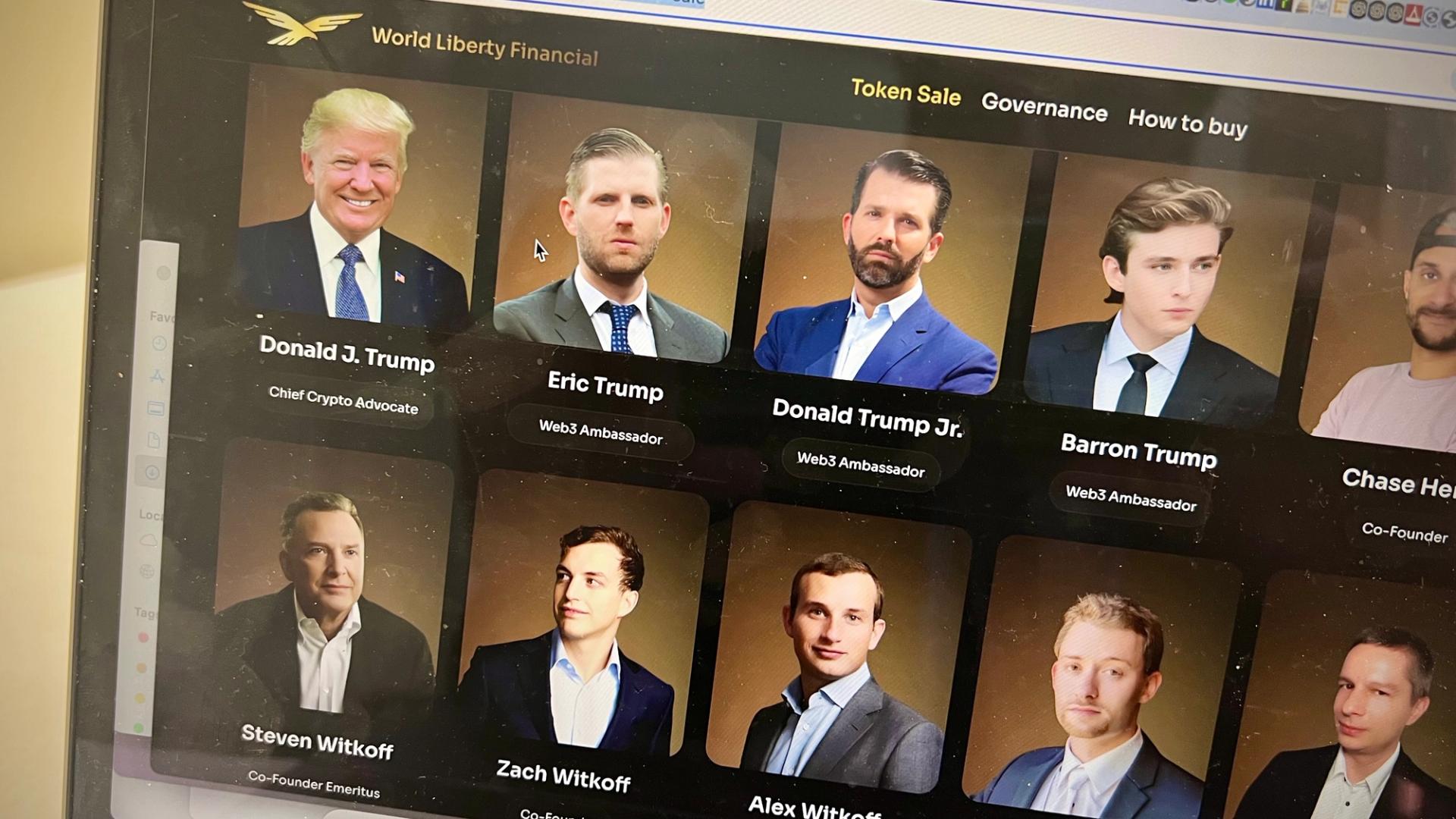
Overview
World Liberty Financial, the cryptocurrency venture backed by former U.S. President Donald Trump, has borrowed $75 million in a transaction involving the Dolomite lending protocol—a platform whose co-founder maintains an advisory role at World Liberty Financial itself. This arrangement represents a significant conflict of interest within the decentralized finance ecosystem and highlights structural vulnerabilities that can emerge when protocols and their major borrowers share governance or advisory relationships.
The transaction, which places World Liberty Financial in a substantial debt position collateralized by its own native token WRLD, creates a complex web of dependencies and risks that extend beyond the two entities involved. Depositors on the Dolomite platform face potential exposure to the financial health of World Liberty Financial, while WRLD token holders confront uncertain collateral dynamics if the underlying venture encounters difficulties. This arrangement exemplifies the broader tensions within DeFi between decentralized governance ideals and the centralized influence of major stakeholders.
The structure of this borrowing agreement has drawn scrutiny from cryptocurrency compliance experts and community observers who question whether such transactions should be permitted within lending protocols that claim to operate according to transparent, rule-based governance systems. The situation also underscores the ongoing maturation challenges facing DeFi platforms as they manage relationships with high-profile borrowers and navigate conflicts of interest that traditional finance has grappled with for decades.
Background
World Liberty Financial emerged as a significant player in the cryptocurrency landscape following Trump's public embrace of digital assets and his decision to launch a venture capital fund focused on crypto projects. The venture positioned itself as a bridge between traditional financial institutions and the cryptocurrency ecosystem, seeking to bring mainstream adoption to blockchain-based financial services. The platform's launch generated considerable media attention and attracted substantial funding from both retail and institutional investors interested in exposure to Trump-backed crypto initiatives.
The WRLD token, World Liberty Financial's native cryptocurrency, serves as both a governance token and a utility asset within the platform's ecosystem. Token holders participate in key decisions regarding the protocol's direction, fee structures, and policy initiatives. The token also functions as collateral within various DeFi protocols, including Dolomite, where it can be deposited to borrow other cryptocurrencies. This dual role as governance token and collateral asset creates inherent challenges around incentive alignment and conflict resolution.
Dolomite, meanwhile, operates as a decentralized lending protocol that enables users to deposit cryptocurrencies and borrow against their holdings. The protocol uses a governance structure where holders of its native token can vote on key parameters, approved collateral assets, and protocol changes. By design, DeFi lending protocols like Dolomite operate without traditional credit checks or centralized gatekeepers, instead relying on algorithmic risk management and collateral over-collateralization requirements to manage lending risk.
The intersection of these two platforms became consequential when World Liberty Financial sought substantial liquidity for operations. Rather than seeking loans through traditional venture debt channels or raising additional equity, the company turned to the Dolomite protocol to borrow directly against its WRLD token holdings. The presence of an advisor to World Liberty Financial among Dolomite's co-founders created immediate questions about the independence of this transaction and whether it received preferential treatment.
Key Developments
World Liberty Financial's $75 million borrowing transaction on Dolomite represents one of the largest single loans facilitated by the protocol. The transaction was structured with WRLD tokens as collateral, meaning that if the value of these tokens declines sufficiently, liquidation mechanisms could be triggered, potentially forcing World Liberty Financial to repay the loan or watch as its collateral is auctioned off to settle the debt.
The involvement of a Dolomite co-founder in World Liberty Financial's governance or advisory capacity presents a clear conflict of interest. This individual potentially benefits from World Liberty Financial's success through multiple channels: as a co-founder of Dolomite, they may profit from transaction fees generated on the protocol; as an advisor to World Liberty Financial, they may receive compensation or token allocations from that venture; and as someone with influence over Dolomite's governance, they could theoretically advocate for favorable lending terms or protections for major borrowers like World Liberty Financial.
The structure of the loan reveals additional complexities regarding collateral management and liquidation risks. When a cryptocurrency protocol accepts its own ecosystem token as collateral—in this case, WRLD—it creates a situation where the protocol's financial stability becomes entangled with the token's price performance. If WRLD experiences significant downward pressure due to market conditions, technical issues, or broader industry headwinds, the value of collateral pledged to Dolomite diminishes rapidly. This can trigger cascading liquidations that force World Liberty Financial to either deposit additional collateral or face forced asset sales.
Depositors on Dolomite who supplied capital expecting it to be lent out to creditworthy borrowers now find themselves partially exposed to World Liberty Financial's financial performance without having explicitly agreed to this concentration of risk. This dynamic is sometimes referred to as a "liquidity trap" where depositors cannot easily withdraw their funds because the borrowed capital is locked in positions that cannot be quickly liquidated or repaid. The situation raises questions about informed consent and risk transparency in DeFi lending protocols.
The transaction also highlights governance challenges within decentralized protocols. While Dolomite technically operates through a token-holder governance system, real-world token distribution concentrates voting power among early investors, large holders, and insiders—including potentially the co-founders involved in this arrangement. This concentration can undermine the theoretical "decentralization" of governance, allowing a small number of stakeholders to influence major protocol decisions that affect all participants.
Market Impact
The announcement of World Liberty Financial's substantial Dolomite borrowing sent ripples through cryptocurrency markets, affecting both WRLD token valuations and broader investor sentiment regarding DeFi protocol risk management. The market reacted with concern about what this development signaled for governance practices and conflict-of-interest policies within the DeFi ecosystem more broadly.
WRLD token prices experienced volatility following the disclosure, with traders reassessing the risk profile of the asset in light of its use as collateral for a major debt obligation. The token's liquidity and market depth became critical factors in determining whether liquidations could be executed smoothly without creating further price pressure—a feedback loop that could amplify losses for both borrowers and depositors.
The incident also affected Dolomite's reputation and token price as users grappled with questions about protocol governance quality and conflict-of-interest policies. Concerns that the platform might allow preferential treatment for major borrowers led some depositors to consider withdrawing their funds, potentially stressing the protocol's ability to maintain sufficient liquidity reserves. In DeFi, perception of risk and conflict of interest can quickly translate into actual liquidity crises as users rush to exit risky positions.
Broader cryptocurrency market sentiment shifted as institutional investors and compliance professionals focused greater attention on governance practices within DeFi protocols. Many institutional investors require robust conflict-of-interest policies, transparent governance structures, and clear separation between lending platform operations and borrower interests. The World Liberty Financial-Dolomite arrangement appeared to fall short of these standards, potentially dampening institutional confidence in the protocol and similar platforms.
Regulatory observers noted the situation as emblematic of systemic risks within DeFi that have proven difficult to manage through decentralized governance alone. The arrangement raised questions about whether DeFi protocols require additional protective mechanisms—such as independent oversight boards, conflict-of-interest policies, or external auditors—to manage risks that purely algorithmic systems cannot adequately address.
Risks and Considerations
Several interconnected risks emerge from this arrangement that warrant careful analysis from market participants and protocol observers. The first and most direct risk involves liquidation cascades—if WRLD token prices decline sufficiently, Dolomite's liquidation mechanisms could trigger forced asset sales, creating additional downward pressure on token prices and potentially extending losses beyond World Liberty Financial to affect all WRLD holders.
Depositors on Dolomite face concentration risk they may not have fully anticipated. When a protocol's loaned capital is concentrated with a single major borrower, especially one whose financial condition is difficult to assess transparently, the entire pool of depositors becomes exposed to that borrower's idiosyncratic risks. Traditional banks manage this through diversification requirements, but Dolomite's governance structure provides limited mechanisms to prevent or manage such concentration.
The conflict of interest involving a Dolomite co-founder creates questions about whether the loan terms were market-competitive or whether they included hidden advantages (lower collateral requirements, longer forbearance periods, or implicit guarantees of support). These advantages, if they exist, would amount to a subsidy from Dolomite's general depositor base to World Liberty Financial—a transfer of value that depositors did not knowingly authorize.
Governance risk extends to future decisions affecting this arrangement. If market conditions deteriorate for WRLD tokens or World Liberty Financial, the co-founder's influence over Dolomite governance could potentially be leveraged to prevent or delay liquidations, protect the borrower from penalties, or restructure terms in ways that further burden the protocol's depositor base. These dynamics create moral hazard—incentives for borrowers and insider stakeholders to take excessive risks knowing that governance influence can be used to socialize losses.
Finally, the situation illustrates broader ecosystem fragility risks. If World Liberty Financial encounters serious financial difficulties and is forced to default, the cascade of liquidations on Dolomite could stress other connected DeFi protocols and markets. This interconnectedness, while intended to create efficient capital deployment, instead creates contagion channels through which problems at one node rapidly spread throughout the network.
What to Watch
Market participants should monitor WRLD token price movements closely, as significant declines could trigger liquidation thresholds on Dolomite. The token's trading volume and market depth are critical indicators of how readily liquidations could be executed without creating additional price pressure. Thin liquidity markets could amplify the severity of any price decline.
Depositers on Dolomite should track the protocol's total collateral balances and liquidity reserves, as these metrics indicate whether the protocol maintains sufficient buffers to absorb losses without requiring deposit haircuts. If withdrawals accelerate and threaten reserve adequacy, this would signal rising systemic stress. Additionally, watching for governance votes related to collateral policies, liquidation parameters, or modifications to the World Liberty Financial terms would provide early warning signals of potential attempts to restructure the arrangement in ways that benefit the borrower at depositors' expense.
Regulatory developments warrant attention, as this arrangement may attract scrutiny from policymakers focused on DeFi systemic risks. Potential regulatory responses could include requirements for conflict-of-interest policies, governance reforms, or borrower diversification mandates. These policies could fundamentally alter how DeFi platforms operate and could create compliance challenges or costs.
World Liberty Financial's broader financial performance and capital deployment decisions will shape whether the Dolomite borrowing represents a temporary liquidity bridge or an indicator of deeper operational challenges. Investors should monitor the venture's fundraising activities, business metrics, and strategic announcements for signals about financial health and long-term viability.
Finally, watch for similar arrangements emerging across other DeFi protocols and cryptocurrency ventures. If other protocols begin accommodating major borrowers with potential conflicts of interest, this could signal a troubling pattern where DeFi governance is increasingly shaped by insider relationships rather than transparent, rule-based systems.
Conclusion
World Liberty Financial's $75 million borrowing from Dolomite, facilitated by a platform co-founded by one of the venture's own advisors, exemplifies the challenges and risks that emerge when decentralized finance protocols intersect with concentrated financial relationships and insider governance dynamics. While DeFi promised to remove traditional gatekeepers and enable transparent, rule-based financial systems, this arrangement demonstrates that concentrated influence and conflicts of interest can emerge within decentralized systems just as readily as within traditional institutions.
The situation reveals fundamental tensions within DeFi governance between the ideals of permissionless access and decentralized control, and the practical reality that significant stakeholders—including founders, major token holders, and platform operators—exercise disproportionate influence over protocol policies and risk management decisions. This concentration of power creates opportunities for arrangements that benefit insiders at the expense of broader participant bases, particularly depositors who provide the capital that gets lent to major borrowers.
For the cryptocurrency ecosystem to mature and attract significant institutional capital, DeFi protocols will likely need to implement more robust conflict-of-interest policies, governance structures that genuinely distribute decision-making power, and transparent reporting on major borrowers and associated risks. The World Liberty Financial-Dolomite arrangement will likely serve as a reference point for these discussions, illustrating both the specific risks of this transaction and the broader governance challenges facing the decentralized finance ecosystem as it continues to scale and attract ever-larger concentrations of capital.
Original Source
CoinDesk