Bitcoin's $60K-$70K Range Becomes Third Longest Consolidation on Record
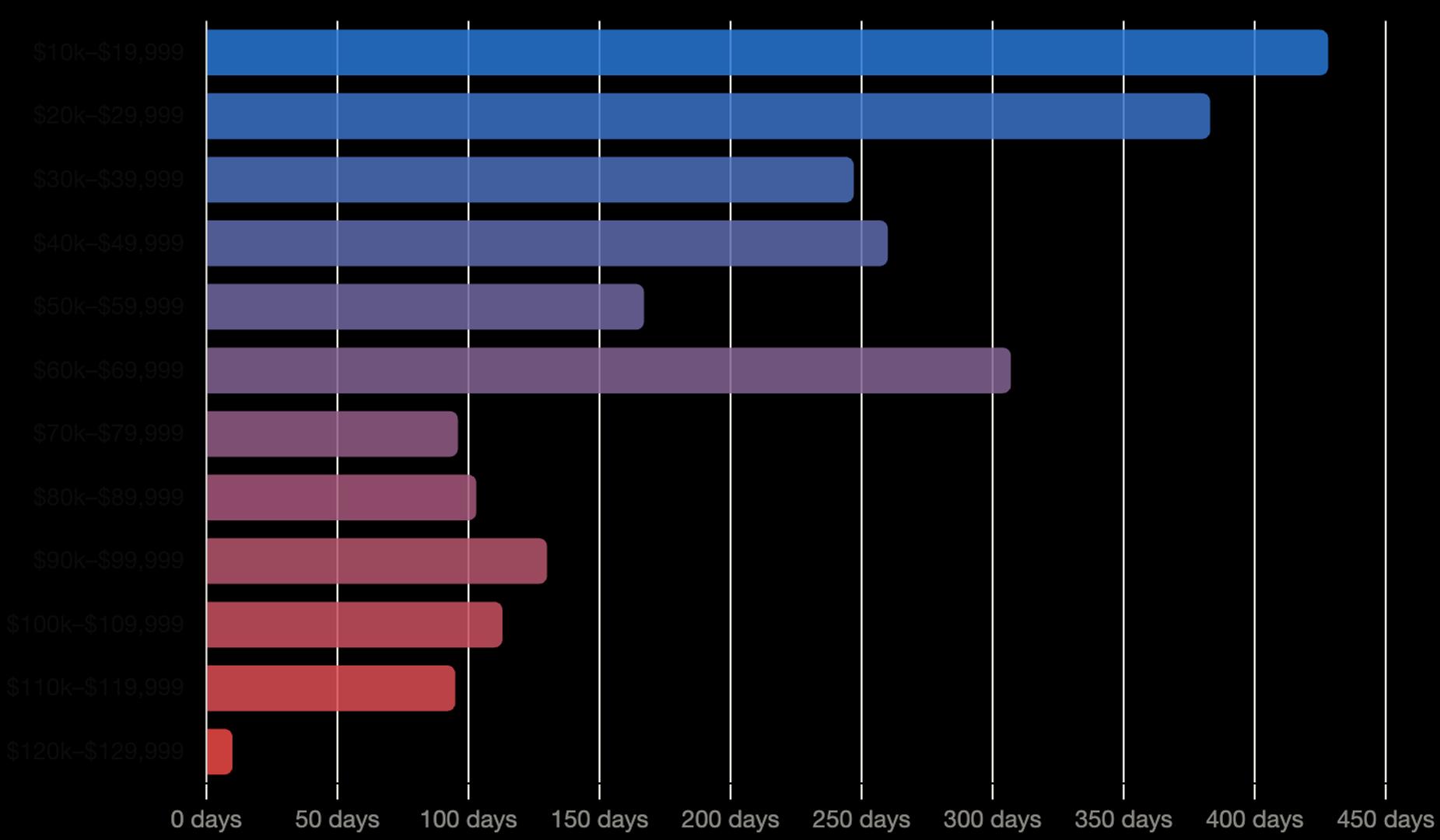
Bitcoin has entered its third longest consolidation period in history, trading predominantly between $60,000 and $70,000. The extended sideways movement reflects macroeconomic uncertainty, institutional positioning shifts, and ongoing regulatory developments that continue to shape crypto market dynamics.
Overview
Bitcoin has entered a period of sustained consolidation within the $60,000 to $70,000 range, marking the third longest such consolidation in the cryptocurrency's trading history. This extended sideways movement represents a significant departure from the dramatic price swings that typically characterize Bitcoin markets, with the asset spending considerable time oscillating between these price levels rather than establishing clear directional momentum. The consolidation phase reflects a confluence of macroeconomic factors, institutional positioning adjustments, and evolving market sentiment that have created a state of relative equilibrium in the world's largest cryptocurrency by market capitalization.
Historically, such consolidation periods have served as inflection points in Bitcoin's price trajectory, often preceding substantial moves in either direction once key technical levels break decisively. The current consolidation, now recognized as one of the three longest in Bitcoin's history, has captured the attention of market participants, analysts, and institutional investors seeking to understand what this extended period of relative calm might signal about Bitcoin's future price direction and the broader health of digital asset markets.
This consolidation phase has occurred against a backdrop of shifting macroeconomic priorities, with central banks navigating inflation concerns while simultaneously managing economic growth prospects. Traditional markets have experienced their own periods of volatility and consolidation, creating spillover effects that have reverberated through cryptocurrency markets and influenced investor risk appetite for volatile assets like Bitcoin.
Background
Bitcoin consolidations represent periods where the cryptocurrency trades within a relatively narrow range without establishing a clear trend, creating a period of price discovery and equilibrium between buyers and sellers. Historically, Bitcoin has experienced several notable consolidation phases, with the most significant serving as crucial markers in the asset's long-term price trajectory. Understanding these historical precedents provides valuable context for interpreting the current consolidation period and its potential implications.
The longest consolidation periods in Bitcoin's history typically occurred during transformative moments in the cryptocurrency's development and adoption trajectory. Previous extended consolidations coincided with periods of regulatory uncertainty, shifts in macroeconomic conditions, or major developments within the Bitcoin ecosystem that forced market participants to reassess their valuations and positioning. These historical consolidations often preceded explosive price movements once the equilibrium was broken, making them significant areas of interest for technical analysts and institutional traders.
Bitcoin's price behavior has evolved considerably as institutional adoption has increased and as the asset's market capitalization has grown. Earlier consolidations in Bitcoin's history often characterized periods of nascent adoption and relatively thin liquidity, whereas modern consolidations reflect the depth and complexity of a maturing digital asset market. The current consolidation occurs within a substantially different market structure than historical precedents, with significantly greater liquidity, broader institutional participation, and more sophisticated trading infrastructure supporting Bitcoin markets.
Market sentiment during consolidation periods typically reflects investor uncertainty about future direction, with bulls and bears reaching a temporary equilibrium. This equilibrium can persist for extended periods if underlying catalysts remain ambiguous or if cross-currents in the market create offsetting pressures on price. The third-longest consolidation status indicates that despite ample time for directional resolution, market participants have maintained relatively balanced positions regarding Bitcoin's near-term trajectory.
Key Developments
The consolidation of Bitcoin within the $60,000-$70,000 range reflects several interconnected developments that have shaped cryptocurrency market dynamics in recent months. Macroeconomic factors have played a particularly significant role, with decisions from major central banks regarding monetary policy creating an uncertain environment for risk assets. Bitcoin's traditional behavior as a speculative asset has made it particularly sensitive to shifts in risk appetite and changes in expectations regarding interest rate trajectories and inflation dynamics.
Institutional investors have demonstrated evolving strategies regarding Bitcoin allocation during this consolidation period, with some market participants viewing the extended sideways movement as an opportunity to accumulate at favorable levels, while others have adopted more cautious stances pending clearer directional signals. The maturation of cryptocurrency markets has enabled more sophisticated institutional participation, including the use of derivatives and hedging strategies that can dampen price volatility while creating the appearance of consolidation even when underlying sentiment remains dynamic.
Regulatory developments have continued to influence Bitcoin market dynamics, with governments and regulatory agencies worldwide working to establish clearer frameworks for cryptocurrency trading, custody, and institutional participation. These regulatory developments create both uncertainty and optimism within markets, as participants attempt to assess the long-term implications of increasingly stringent regulatory oversight. Clarity on regulatory issues could serve as a catalyst for movement out of the current consolidation range, as it would reduce uncertainty regarding the asset's status and long-term viability.
Technological developments within the Bitcoin ecosystem continue to evolve, with scaling solutions and upgrades receiving ongoing attention from developers and the broader Bitcoin community. While technological developments typically take secondary importance to macroeconomic factors in driving Bitcoin's near-term price action, improvements to network scalability and functionality could influence long-term institutional adoption and use case development. Current consolidation provides an extended period for market participants to assess the potential implications of these technological advancements and to adjust positions accordingly.
Market Impact
The extended consolidation within the $60,000-$70,000 range has produced significant impacts across various segments of the cryptocurrency market and has influenced trading behavior among different categories of market participants. For retail traders, extended consolidations often create frustration due to the reduced opportunity for directional profit, leading some traders to exit positions or reduce their activity levels during these periods. Professional traders and institutions, by contrast, often view consolidation periods as opportunities for positioning ahead of anticipated breakouts, using the extended period to accumulate positions at favorable technical levels.
Volatility has compressed significantly during this consolidation, with Bitcoin's price fluctuations substantially reduced compared to typical market conditions. This compression in volatility has affected derivatives markets, where options premiums have declined due to lower realized volatility expectations. Traders and institutions that profit from volatility have adapted by reducing their exposure to volatility-based strategies or by deploying capital to other markets offering more dynamic price movements and trading opportunities.
The consolidation has also influenced broader cryptocurrency market dynamics, with altcoins and alternative digital assets experiencing their own periods of relative stagnation amid reduced overall market interest. Bitcoin's dominance within cryptocurrency markets typically increases during periods of uncertainty, as investors retreat to the largest and most liquid assets, creating an environment where smaller cryptocurrencies struggle to attract meaningful capital flows. This dynamic has likely intensified during the extended consolidation, as market participants have consolidated their positions around Bitcoin rather than deploying capital into riskier altcoin investments.
Cross-asset correlations have remained relevant during this consolidation period, with Bitcoin's price movements reflecting spillover effects from traditional markets including equities, bonds, and currency markets. Periods when traditional markets experience relative stability and certainty tend to correspond with periods when Bitcoin consolidates, as investors maintain their allocations to existing positions rather than rotating capital across asset classes. The reverse has also proven true, with unexpected volatility in traditional markets creating corresponding ripples through cryptocurrency markets and temporarily disrupting consolidation patterns.
Risks and Considerations
Extended consolidation periods create several risks and considerations that market participants must weigh when making investment and trading decisions. One primary risk involves the potential for a substantial breakdown through support levels once consolidation equilibrium is disrupted, particularly if negative catalysts emerge that trigger panic selling among investors who have accumulated positions during the consolidation. Historical precedent suggests that extended consolidations sometimes precede substantial declines, particularly if underlying market conditions deteriorate unexpectedly.
The extended timeframe of the current consolidation raises questions about whether underlying market fundamentals have deteriorated sufficiently to warrant lower valuations once the consolidation breaks. If the consolidation represents a period of transition toward lower price equilibrium, breakdowns could produce sudden and substantial declines that catch investors off guard. Conversely, if consolidation represents a period of accumulation before explosive upside moves, delays in achieving resolution could frustrate investors who capitalized positions expecting more immediate directional movement.
Regulatory risks remain particularly pronounced during extended consolidation periods, as governments worldwide continue to clarify their stances on cryptocurrency markets and digital assets. Unexpected regulatory developments or enforcement actions could trigger sharp declines by creating uncertainty regarding Bitcoin's long-term viability or by constraining the activities of institutions and platforms that facilitate cryptocurrency trading and custody. These regulatory risks may explain some of the hesitation among market participants to take aggressive directional positions during the consolidation.
Geopolitical developments and macroeconomic surprises present additional risks that could disrupt the consolidation equilibrium. Central bank policy decisions, inflation data, geopolitical tensions, and other macro developments could trigger sudden rotation out of risk assets including Bitcoin, producing sharp declines that test support levels. Conversely, positive surprises regarding inflation trajectory or central bank policy accommodation could trigger risk-on sentiment that propels Bitcoin sharply higher, rewarding investors who accumulated during consolidation but potentially whipsawing those caught on the wrong side of the resulting move.
What to Watch
Market participants monitoring Bitcoin's consolidation should focus attention on several key indicators and developments that could signal resolution of the extended consolidation period. Technical levels surrounding $60,000 support and $70,000 resistance represent critical areas where price action could provide direction signals, with decisive breakouts above or below these levels potentially triggering sustained movements in the respective directions. Volume analysis during any attempted breakouts will prove particularly relevant, as breakouts accompanied by substantial volume typically prove more sustainable than those on relatively light volume.
Macroeconomic indicators including inflation data, employment reports, and central bank policy statements warrant close monitoring, as these traditionally influence risk appetite and could trigger rotation out of consolidation patterns. Particular attention should focus on guidance from major central banks regarding future monetary policy paths, as clarity or surprise on this front could serve as a catalysts for Bitcoin price movement. Cryptocurrency-specific catalysts including regulatory announcements, major institutional adoption news, and protocol developments should also receive close monitoring for their potential to influence market sentiment and break consolidation equilibrium.
Institutional positioning data, to the extent available through regulatory filings and derivative market metrics, provides valuable insight into how the largest market participants are positioning relative to the consolidation. Sustained accumulation by large institutions during consolidation could increase the likelihood of explosive upside once technical levels break decisively, while institution profit-taking could increase downside risks. Bitcoin options markets provide valuable information regarding institutional expectations, with skew and put-call ratios indicating whether large positions are hedging downside or positioning for upside surprises.
The behavior of correlated assets, particularly equities and the US dollar, warrants ongoing monitoring as these often influence sentiment regarding risk assets like Bitcoin. Periods of renewed risk aversion or dollar strength could pressure Bitcoin despite the consolidation, while periods of risk appetite or dollar weakness could create upside opportunities. Monitoring these cross-asset relationships provides valuable context for interpreting Bitcoin's price action and for anticipating potential catalysts that could disrupt consolidation equilibrium.
Conclusion
Bitcoin's consolidation within the $60,000-$70,000 range, now recognized as the third longest in the cryptocurrency's history, represents a significant period of equilibrium in an asset class typically characterized by substantial volatility and rapid directional moves. This extended consolidation reflects the current macroeconomic environment, characterized by uncertainty regarding central bank policy, inflation dynamics, and economic growth prospects that have permeated traditional and digital asset markets alike. The consolidation period has tested the patience of investors and traders while providing extended opportunities for market participants to reassess their positions and to position for the inevitable resolution.
Historically, extended consolidations in Bitcoin have preceded substantial price movements in either direction, suggesting that current conditions may be setting the stage for significant market action once underlying equilibrium is disrupted. The key challenge for market participants involves correctly anticipating the direction and timing of the inevitable breakout while managing the risks associated with being caught on the wrong side of a potential reversal. Successful navigation of this environment requires close attention to technical levels, macroeconomic developments, and institutional positioning trends that provide signals regarding market sentiment and future direction.
The ultimate resolution of this consolidation period will likely prove consequential for Bitcoin's price trajectory over the subsequent months and potentially years. A decisive breakout above $70,000 with strong volume could trigger sustained upside movements that reward those who accumulated during consolidation, while a breakdown below $60,000 could validate concerns about deteriorating fundamentals and trigger broader declines throughout cryptocurrency markets. Regardless of the ultimate direction, the extended consolidation period provides valuable lessons regarding market equilibrium, the importance of technical analysis during uncertain periods, and the significant influence that macroeconomic factors continue to exert over Bitcoin's price behavior and market dynamics.
Original Source
CoinDesk