Trump Administration Convenes Ethics Review on CLARITY Act Crypto Legislation
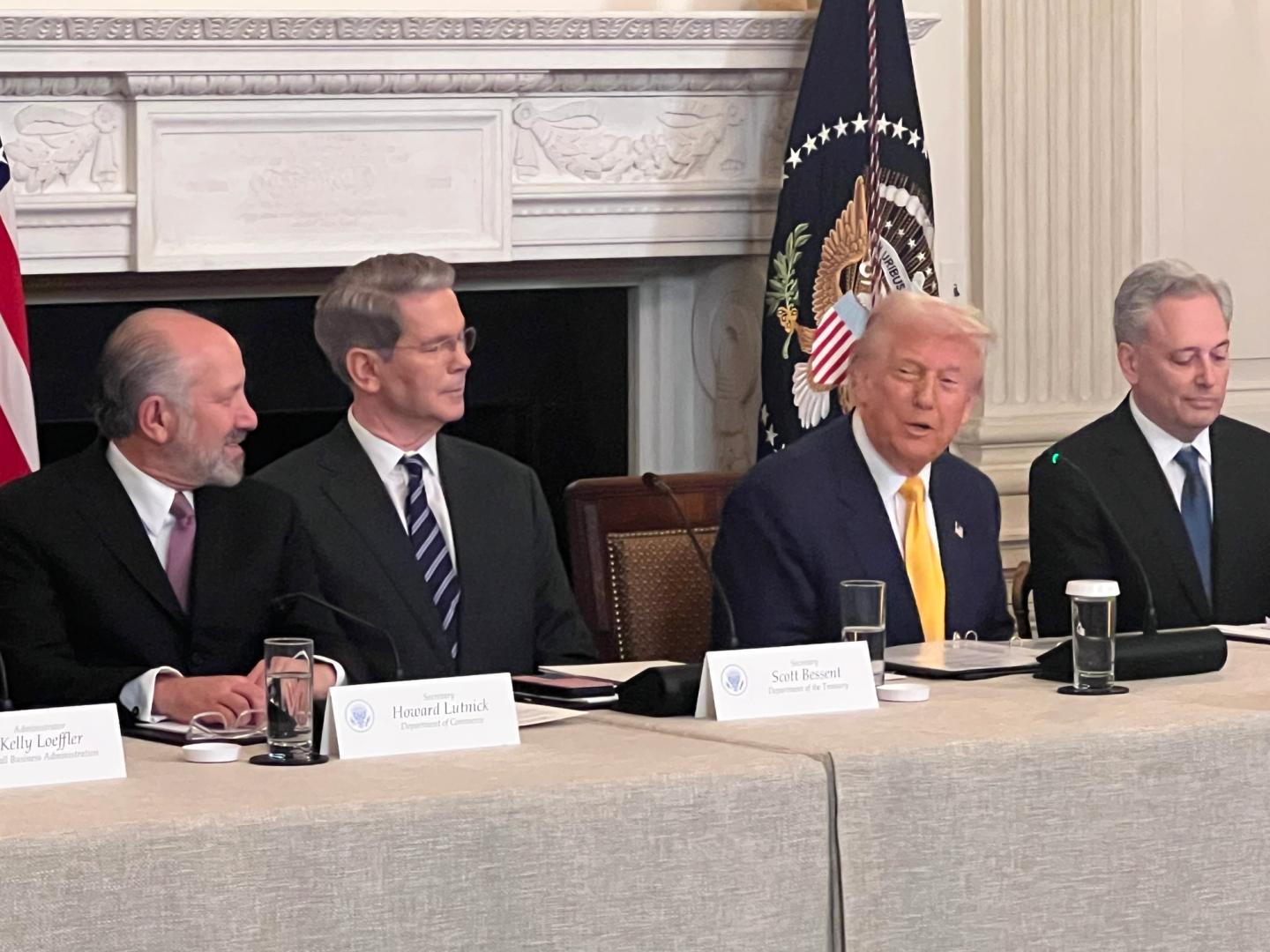
President Trump is expected to meet with senators to address ethics concerns surrounding the CLARITY Act, landmark cryptocurrency regulation legislation. The high-level White House meeting aims to resolve contentious provisions and establish consensus on regulatory clarity for digital assets.
Overview
The Trump administration is preparing for a significant high-level meeting between the President and key senators to address mounting ethics concerns within the proposed CLARITY Act, comprehensive cryptocurrency legislation designed to establish regulatory frameworks for digital assets. The meeting represents a critical juncture in efforts to achieve bipartisan consensus on crypto regulation, a policy area that has gained unprecedented political priority following growing institutional adoption and market maturation. According to multiple sources familiar with the discussions, the administration aims to resolve contentious provisions that have drawn criticism from ethics watchdogs and industry stakeholders alike, potentially reshaping the legislative landscape for digital assets in the coming months.
The CLARITY Act has emerged as the leading cryptocurrency regulation bill in Congress, with widespread support from both lawmakers and industry participants seeking legal certainty. However, the proposed legislation has encountered resistance over specific provisions related to ethics, conflict of interest disclosures, and regulatory oversight mechanisms. The White House meeting signals the administration's commitment to finalizing a version capable of securing congressional passage while maintaining the regulatory rigor necessary for protecting consumers and markets. This development underscores how cryptocurrency has transitioned from a niche asset class to a matter demanding presidential-level attention and coordination.
Ethics concerns at the heart of these discussions reflect broader tensions between enabling innovation and preventing regulatory capture. Industry observers note that provisions addressing former government officials' involvement in crypto ventures, disclosure requirements for legislators with crypto holdings, and revolving-door limitations have proven particularly controversial. The high-level nature of the meeting indicates that resolution of these issues may require presidential intervention and executive branch leadership, suggesting the administration views regulatory clarity for crypto as a priority aligned with broader economic policy objectives.
Background
The CLARITY Act (Crypto and Legal Transparency Act) was introduced as a comprehensive response to years of regulatory uncertainty surrounding cryptocurrency classification and compliance obligations. Digital asset markets have expanded dramatically over the past decade, yet the regulatory environment has remained fragmented across multiple federal agencies including the SEC, CFTC, FinCEN, and others. This patchwork approach has created compliance challenges for exchanges, custody providers, and other infrastructure firms, while also leaving consumers and investors vulnerable to inadequate protections. The CLARITY Act seeks to establish unified definitions distinguishing between cryptocurrencies, security tokens, and commodities, thereby assigning clear regulatory authority and reducing compliance ambiguity.
Bipartisan support for cryptocurrency regulation has grown substantially, driven by both market participants and policymakers recognizing that clear rules benefit the industry while protecting consumers. Senators from both parties have sponsored or co-sponsored various versions of crypto regulation bills, reflecting genuine consensus that regulatory clarity is preferable to the current ad-hoc enforcement approach. The CLARITY Act distinguished itself by securing backing from major cryptocurrency exchanges, industry associations, and institutional investors, all viewing standardized regulation as essential for mainstream adoption. This unusual alignment between industry and regulators created momentum for legislation that could potentially be enacted within the current congressional session.
However, ethics concerns emerged during the legislative drafting process as observers noted that numerous lawmakers with cryptocurrency interests and advisors with industry connections were heavily involved in shaping the bill. This raised questions about potential conflicts of interest and whether the legislation adequately served consumer protection, particularly regarding conflicts of interest provisions and oversight mechanisms. Ethics watchdog organizations and consumer advocacy groups raised concerns that the original CLARITY Act language may have insufficiently addressed revolving-door provisions and disclosure requirements for legislators and former government officials transitioning into the crypto industry. These concerns gained political traction, threatening to derail the bill despite its otherwise strong support.
The specific ethics provisions under review reportedly include mandatory disclosure requirements for any legislator holding cryptocurrency or digital asset investments above certain thresholds, restrictions on former executive branch officials immediately joining crypto industry firms, and enhanced oversight mechanisms for cryptocurrency service provider licensing. Additionally, the discussions reportedly focus on recusal standards for regulatory agencies with officials who previously worked for cryptocurrency companies. These provisions represent attempts to balance industry participation in the legislative process with legitimate governance concerns about ensuring laws serve the public interest.
Key Developments
The announcement of the Trump administration's planned meeting with senators marks a turning point in the legislative process, signaling executive branch engagement in resolving the ethics dispute. According to reporting, White House officials have been working behind the scenes with key senators to identify compromise language that addresses ethics concerns while preserving the core regulatory clarity provisions that industry stakeholders have championed. This diplomatic approach contrasts with more adversarial legislative strategies, suggesting the administration views crypto regulation as an area where compromise and consensus-building can succeed. The timing of the meeting, occurring mid-summer of an election year, indicates the urgency with which policymakers view reaching closure on this legislation.
Key senators anticipated to participate in the meeting represent different perspectives within the cryptocurrency regulatory debate. Some are known advocates for innovation-friendly frameworks that minimize regulatory burden, while others have emphasized consumer protection and market integrity as paramount concerns. The presence of multiple stakeholder perspectives at the table suggests the White House believes presidential-level mediation can identify common ground on ethics provisions. Additionally, the meeting's emphasis on ethics rather than technical regulatory questions indicates that political and governance considerations have become central to the legislative negotiation.
Industry analysts note that the specific ethics provisions under discussion could significantly impact how cryptocurrency businesses operate going forward. For example, enhanced disclosure requirements for legislators could increase transparency regarding potential conflicts of interest during the regulatory process. Restrictions on former officials joining crypto firms could affect talent acquisition for emerging companies but might also reduce perceptions of regulatory capture. These provisions represent meaningful governance changes that extend beyond traditional regulatory frameworks for financial services, potentially setting new standards for technology industry legislation more broadly.
The meeting's agenda reportedly includes detailed review of proposed language on revolving-door provisions, recusal standards, disclosure thresholds, and enforcement mechanisms for ethics compliance. White House officials have apparently signaled willingness to consider strengthened ethics provisions if industry stakeholders can accept certain compliance costs. This suggests a negotiating posture that acknowledges ethics concerns are legitimate while seeking to find formulations that don't fundamentally undermine the regulatory clarity objectives the bill is designed to achieve. The outcome of this meeting could reshape not only cryptocurrency regulation but also set precedent for how future technology legislation addresses ethics and conflicts of interest.
Market Impact
Cryptocurrency markets have demonstrated sensitivity to regulatory developments, with major cryptocurrencies like Bitcoin and Ethereum responding to legislative news and regulatory actions. The announcement of the Trump administration's ethics review meeting initially sparked concerns among some market participants that additional compliance burdens could impact institutional adoption. However, other segments of the market viewed the White House involvement positively, interpreting it as a sign that regulatory clarity is likely to be achieved. Bitcoin's price action in the days following the announcement reflected this ambiguity, with traders weighing the positive likelihood of regulatory clarity against potential near-term compliance costs.
Institutional investors and cryptocurrency infrastructure firms have expressed strong interest in the CLARITY Act's progression, as regulatory certainty directly impacts their business models and investment theses. Major exchanges and custody providers have publicly supported the bill and have participated in advocacy efforts to advance it, recognizing that operating under clear regulatory frameworks reduces legal risk and improves access to banking services. The ethics concerns, while important from a governance perspective, have been viewed by many industry participants as ultimately surmountable obstacles to achieving comprehensive regulation. This industry consensus has likely motivated the Trump administration's engagement, as policymakers recognize that regulatory clarity for crypto could provide economic benefits through enhanced institutional investment and innovation.
The ongoing legislative uncertainty has also affected cryptocurrency market volatility, with significant price swings occurring around regulatory announcements. Once regulatory clarity is achieved through passage of the CLARITY Act, market participants anticipate reduced uncertainty premium and potentially more rational pricing based on fundamental factors. This could result in more mature market behavior with reduced regulatory surprise risk. Cryptocurrency derivatives markets, including futures and options, have shown increased trading volume around regulatory developments, indicating active trader positioning on potential outcomes. The White House meeting represents a potential inflection point that could accelerate movement toward resolution.
Market participants have also noted that regulatory clarity could attract new institutional capital currently waiting on the sidelines due to legal uncertainty. Major asset managers, pension funds, and insurance companies have expressed interest in cryptocurrency exposure but have been constrained by uncertain regulatory environments and lack of settled compliance frameworks. The CLARITY Act, once enacted with the ethics concerns resolved, could unlock significant new institutional capital inflows into cryptocurrency markets. This potential macroeconomic impact has drawn attention from policymakers and the administration, who may view crypto regulation as connected to broader capital market efficiency and international competitiveness objectives.
Risks and Considerations
While the Trump administration's engagement represents progress toward regulatory clarity, significant risks remain regarding whether the ethics concerns can be resolved in a manner satisfactory to all stakeholders. Some consumer advocacy organizations have maintained that the CLARITY Act's ethics provisions remain insufficient to prevent regulatory capture or ensure that the legislation truly serves consumer interests. These critics worry that compromise language negotiated during the White House meeting may further weaken ethics safeguards in exchange for industry support. The political economy of the negotiation, with industry stakeholders having substantial resources and lobbying capacity, creates inherent asymmetry in the process that consumer advocates find concerning.
Another risk involves potential partisan polarization around the ethics provisions and broader regulatory framework. While cryptocurrency regulation has historically enjoyed bipartisan support, the 2024 election context could introduce partisan incentives for various actors. Some Democrats may seek to strengthen ethics provisions further as campaign issues, while some Republicans may push for more industry-friendly language. This political dynamic could complicate the White House negotiations and potentially derail legislative progress if ethics disputes become entangled with partisan positioning. The meeting's timing during an election year adds political complexity to what might otherwise be a technical policy discussion.
Implementation and enforcement of ethics provisions also presents challenges that have not been fully addressed in public discussions. Who will be responsible for enforcing restrictions on former government officials joining crypto firms? How will conflicts of interest be adjudicated when technical regulatory questions intersect with governance concerns? Will the regulatory agencies charged with overseeing cryptocurrency markets also be responsible for ethics enforcement, creating potential conflicts? These practical implementation questions could emerge as important issues once initial legislation is enacted, potentially requiring follow-up legislation or regulatory guidance. The White House meeting should ideally address not just the language of ethics provisions but also their enforceability and administration.
There is also risk that excessive ethics provisions could discourage qualified professionals from government service in cryptocurrency regulatory roles. If the revolving-door restrictions or disclosure requirements become too burdensome, talented regulatory professionals might opt for private sector positions exclusively, potentially leaving government agencies understaffed or with less experienced personnel. This unintended consequence of well-intentioned ethics provisions has emerged in other regulatory contexts and represents a substantive consideration that balanced policy design should address. The negotiations should seek to achieve genuine ethics protections without creating perverse incentives that degrade regulatory capacity.
What to Watch
Market participants and policymakers should closely monitor several key developments following the Trump administration meeting with senators. First, whether the negotiators can reach consensus on specific ethics provision language and timeline for legislative action. Any announcement of agreed compromise language would likely trigger positive market reaction, while continued disagreements would suggest prolonged legislative uncertainty. The rhetoric from participating senators and White House officials regarding the meeting's success or challenges will provide important signals about the likelihood of successful passage. Additionally, watch for statements from industry associations and advocacy organizations regarding whether negotiated ethics provisions are acceptable to key stakeholders.
Second, observe whether the ethics concerns threaten to become entangled with other contentious regulatory issues or whether they remain compartmentalized and manageable. If the negotiations expand to address other controversial regulatory questions, the legislative scope could increase substantially and success becomes less likely. Conversely, if the discussions remain focused on ethics while preserving the core CLARITY Act regulatory framework, prospects for passage would improve. Media reporting on the breadth and scope of the White House discussions will be informative regarding this dynamic. Additionally, watch for any indication that consumer advocacy organizations are being included in the negotiation process or whether discussions remain limited to industry representatives, senators, and executive branch officials.
Third, monitor cryptocurrency market reactions to any announcements or statements regarding the negotiations. Market movements can provide real-time assessment of how investors and traders evaluate the likelihood and terms of regulatory resolution. Significant price movements in major cryptocurrencies or substantial changes in implied volatility could indicate shifting expectations about regulatory outcomes. Additionally, watch for changes in issuance or trading activity in cryptocurrency-linked derivative products, which might reflect evolving market expectations. The velocity of market reaction to regulatory news has historically been rapid and substantial, making these indicators reliable for assessing market sentiment regarding legislative progress.
Finally, track the evolution of international regulatory developments, as other jurisdictions' cryptocurrency policies increasingly influence U.S. legislative considerations. If major economies like the European Union or the United Kingdom implement cryptocurrency regulations during the pendency of U.S. legislative discussions, this could either accelerate or complicate the CLARITY Act negotiations depending on whether international precedent is viewed as providing useful models or cautionary examples. The competitive dynamics of international cryptocurrency regulation have become increasingly important to U.S. policymakers concerned about maintaining competitive advantage in digital asset innovation.
Conclusion
The Trump administration's planned high-level meeting with senators to address ethics concerns in the CLARITY Act represents a critical juncture in efforts to establish comprehensive cryptocurrency regulation in the United States. The meeting demonstrates executive branch commitment to resolving outstanding issues and achieving legislative consensus on regulatory frameworks that have eluded policymakers for years despite growing market importance of digital assets. The focus on ethics provisions reflects legitimate governance concerns about potential conflicts of interest and regulatory capture, demonstrating that policymakers and the public are demanding not just clarity but also integrity in the regulatory process. Successfully navigating these concerns while maintaining the innovation-enabling aspects of the CLARITY Act represents the primary challenge for negotiators.
The path forward requires balancing multiple legitimate interests and concerns. Industry participants need regulatory clarity to plan operations and attract capital. Consumers and investors need protections against fraud and market manipulation. Policymakers need assurance that regulatory processes serve public interests rather than narrow industry interests. These objectives are not necessarily incompatible, but achieving resolution requires good-faith negotiation, willingness to compromise, and commitment to outcomes that serve broader economic and social objectives beyond any single stakeholder group. The White House meeting's success will depend substantially on whether all participants approach the process with these collaborative intentions.
The broader significance of this legislative moment extends beyond cryptocurrency specifically to how policymakers and society address technology regulation more generally. The CLARITY Act will set precedent for how future technology legislation addresses ethics concerns, conflicts of interest, and the role of affected industries in shaping regulatory frameworks. The outcomes of these negotiations could influence how subsequent generations of technology regulation evolve and whether ethics considerations become systematically integrated into legislative processes. Cryptocurrency regulation thus serves as a test case for more mature and balanced approaches to technology governance that seek innovation while protecting legitimate public interests. The Trump administration's engagement suggests this test case is now receiving sufficient political priority and resources to potentially achieve meaningful resolution.
Original Source
CoinDesk