XRP and Solana Gain Ground as Bitcoin Faces $1B Fund Outflows
Bitcoin spot exchange-traded products experienced significant outflows totaling nearly $1 billion as investors rotated capital into alternative blockchain ecosystems. XRP and Solana emerged as primary beneficiaries of this capital reallocation, signaling shifting market sentiment toward altcoins and potential diversification strategies among institutional investors.
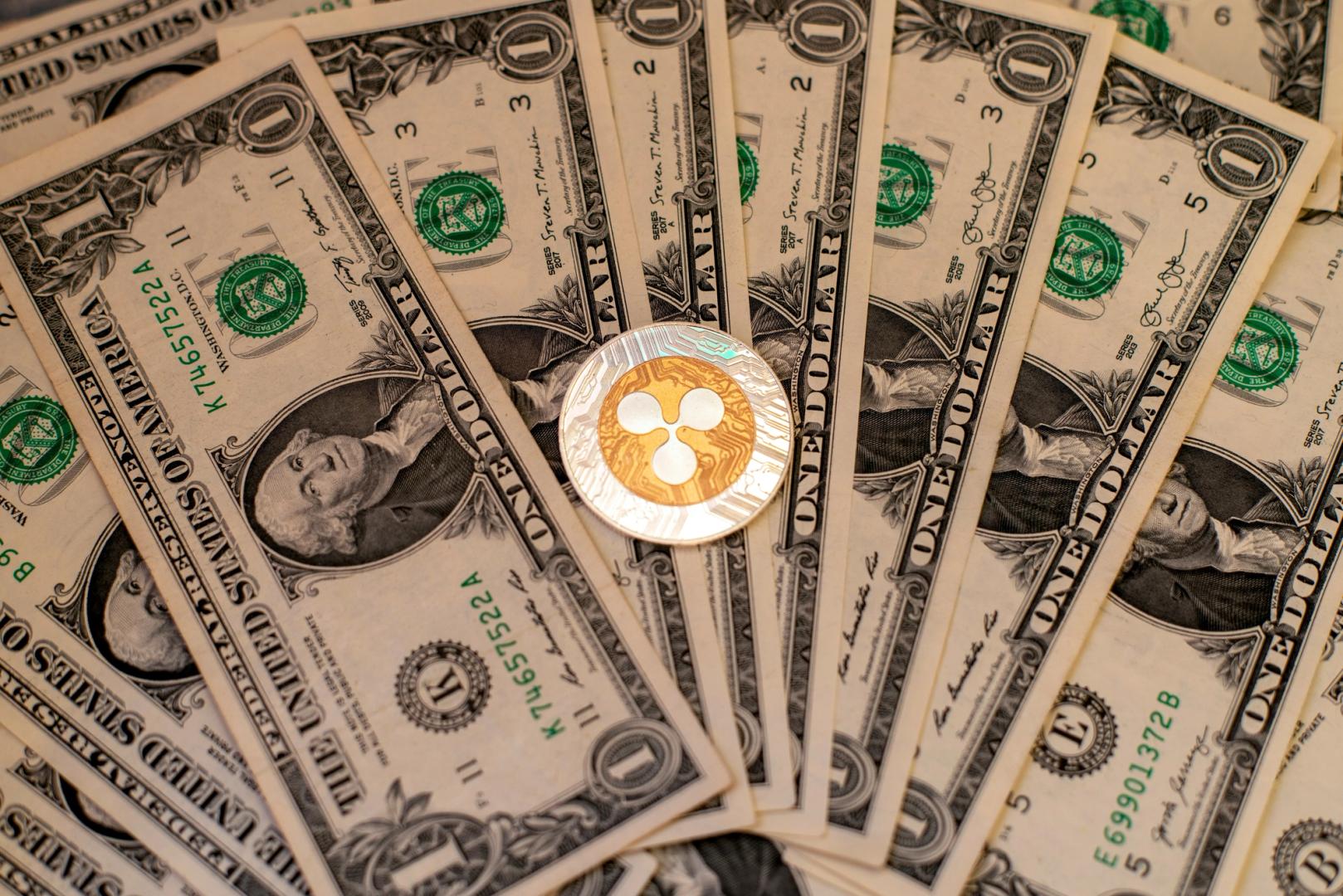
Overview
The cryptocurrency market landscape continues to evolve dynamically, with recent fund flow data revealing a striking divergence in investor sentiment across different blockchain ecosystems. Bitcoin, historically the dominant force in crypto markets, has experienced substantial outflows from spot exchange-traded products (ETPs) totaling nearly $1 billion, marking a significant shift in capital allocation patterns. Simultaneously, XRP and Solana have become magnets for fresh institutional capital, attracting substantial inflows that underscore a broader rebalancing of crypto portfolios. This divergence in fund flows—where the market's most established digital asset faces net capital outflows while newer ecosystems gain traction—represents a critical juncture in the evolution of crypto markets and warrants careful analysis from both macro and micro perspectives.
The phenomenon reflects multiple converging factors: institutional investors reassessing concentration risk in oversized Bitcoin positions, renewed optimism around alternative blockchain technologies, and shifting performance dynamics across different cryptocurrency ecosystems. The scale of the outflows—approaching $1 billion from Bitcoin-focused products—cannot be dismissed as minor portfolio adjustments; rather, it suggests a meaningful reallocation of resources at the institutional level. Meanwhile, the attraction of capital to XRP and Solana indicates that investor interest extends far beyond Bitcoin's dominance, with these protocols offering distinct value propositions and technical innovations that appeal to sophisticated market participants seeking diversification and exposure to emerging use cases.
This market shift occurs within a broader context of maturing cryptocurrency infrastructure, increasing regulatory clarity, and growing institutional adoption of digital assets. The ability of alternative blockchain protocols to attract capital away from Bitcoin suggests that the market is becoming increasingly sophisticated in its capital allocation decisions, moving beyond the "all Bitcoin" narrative that dominated early phases of institutional crypto adoption. Understanding the drivers, implications, and potential risks associated with these fund flows is essential for investors, institutions, and policymakers seeking to navigate the evolving digital asset landscape.
Background
Bitcoin's journey from controversial speculative asset to institutional investment vehicle represents one of the most significant developments in financial markets over the past decade. The introduction of Bitcoin spot ETPs, first in North America and subsequently in other major markets, fundamentally changed the accessibility and legitimacy of Bitcoin as an investment asset. These products enabled large institutions to gain Bitcoin exposure without managing private keys, custodial arrangements, or direct platform interactions—significantly lowering friction for traditional institutional investors. For several years following their launch, Bitcoin ETPs functioned primarily as one-directional wealth conduits, attracting enormous inflows as institutions built initial positions and diversified away from traditional currency reserves.
The emergence and growth of alternative blockchain ecosystems, particularly Ethereum, Solana, and XRP's Ripple network, introduced legitimate competition to Bitcoin's dominance. While Bitcoin remains the largest cryptocurrency by market capitalization, alternative chains have developed distinct ecosystems with unique technical characteristics, developer communities, and use case applications. Solana gained particular prominence for its high-throughput capabilities and low transaction costs, attracting developers and applications seeking an alternative to Ethereum's often-congested network. XRP and the Ripple protocol, meanwhile, have positioned themselves as solutions for cross-border payments and financial institution connectivity, offering different architectural philosophies than Bitcoin's decentralized payment network vision.
Over the past several years, investor portfolios in the cryptocurrency space have remained heavily Bitcoin-concentrated, reflecting both Bitcoin's first-mover advantage and the simple fact that it remains the most widely recognized and trusted cryptocurrency among institutional investors. However, this concentration created portfolio risk—both due to regulatory uncertainty and due to the reality that alternative protocols were demonstrating real utility and community strength. The maturing of crypto markets, the development of sophisticated trading infrastructure, and the emergence of institutional-grade derivatives and lending markets have all enabled institutions to manage more complex and diversified crypto portfolios. Additionally, improvements in blockchain interoperability, layer-2 scaling solutions, and cross-chain bridges have made it easier for investors to manage exposure across multiple ecosystems without excessive operational friction.
Performance dynamics have also shifted. While Bitcoin has traditionally outperformed alternative cryptocurrencies over multi-year periods, shorter-term and sector-specific performance cycles have varied considerably. Market participants analyzing relative value propositions, technical development progress, and ecosystem growth metrics have increasingly concluded that concentration in Bitcoin alone may not optimize risk-adjusted returns. This intellectual shift—from viewing cryptocurrency as a single-asset-class investment to recognizing it as a multi-asset ecosystem with differentiated return drivers—represents the maturation of institutional crypto investment thinking and provides crucial context for understanding recent fund flow patterns.
Key Developments
Bitcoin Spot ETF Outflows Intensify
The nearly $1 billion in outflows from Bitcoin spot ETPs represents a material reversal of the capital inflow patterns that dominated the 2024-2025 period. While Bitcoin spot ETFs continue to hold enormous quantities of Bitcoin (collectively managing tens of billions of dollars in assets under management), the recent shift to net outflows signals important changes in institutional positioning and sentiment. The magnitude of these outflows—approaching $1 billion—suggests this is not merely algorithmic rebalancing or short-term trading activity, but rather a deliberate strategic shift in how institutions are allocating capital across cryptocurrency holdings.
These outflows occur against a backdrop of Bitcoin reaching historically elevated valuations, raising questions about whether institutions are taking profits after significant appreciation, reallocating capital to more attractive opportunities, or reassessing their Bitcoin allocation targets as broader macro conditions evolve. The timing of these outflows provides important context—they emerge during a period of broad cryptocurrency market strength, suggesting that the outflow decision reflects relative attractiveness of alternative assets rather than broad-based selling pressure or loss of confidence in digital assets generally. Historically, when Bitcoin weakness accompanies cryptocurrency weakness broadly, it suggests demand destruction. Conversely, when Bitcoin sees outflows while alternative assets attract inflows, the narrative points toward rebalancing and capital rotation rather than systemic risk concerns.
XRP and Solana Capture Capital
Ripple's XRP and Solana (SOL) have emerged as the primary beneficiaries of the capital rotation away from Bitcoin-concentrated positions. XRP's resurgence reflects multiple factors: regulatory progress regarding the classification of XRP and Ripple's business model, growing adoption of blockchain-based solutions for cross-border payments among financial institutions, and technical developments expanding the XRP Ledger's capabilities. The asset has demonstrated resilience and utility focus that appeals to institutions seeking exposure to real-world use cases in payments and remittance corridors where XRP-based solutions offer genuine competitive advantages over traditional systems and even other cryptocurrencies.
Solana's continued growth trajectory reflects the network's technical strengths—particularly its ability to process extremely high transaction throughput at minimal cost—combined with strong ecosystem development, active venture capital backing, and a thriving developer community. Applications built on Solana range from decentralized finance (DeFi) protocols to gaming and non-fungible token (NFT) marketplaces, creating broad ecosystem value. The network's ability to maintain relative network health and security while achieving genuine scalability distinguishes it from many competitors claiming similar capabilities. Recent improvements to Solana's validator infrastructure, development tools, and cross-chain interoperability features have made it an increasingly attractive platform for developers seeking to launch projects that require significant throughput capacity.
The inflow of capital to both assets reflects investor confidence in their fundamental characteristics and growth potential. For XRP, the narrative centers on enabling financial institution adoption and solving real problems in the payments industry. For Solana, the focus relates to its technical capability, ecosystem maturity, and positioning as a scalable smart contract platform. Both narratives resonate with institutional investors who have graduated beyond viewing cryptocurrency purely as a store of value or speculative asset, and who instead seek exposure to platforms enabling genuine economic activity and innovation.
Broader Market Implications
These fund flows occur within a context of overall cryptocurrency market strength, rising institutional participation, and improving market infrastructure. The ability of the market to reallocate capital across different blockchain ecosystems without causing panic selling or contagion effects demonstrates market maturity and the development of sophisticated valuation and allocation frameworks among institutional investors. The presence of sufficient capital to fund meaningful inflows into XRP and Solana while simultaneously witnessing Bitcoin outflows indicates that the total institutional capital available to cryptocurrency markets continues expanding, with allocation decisions becoming more sophisticated and diversified rather than purely following Bitcoin's price or regulatory headlines.
The shift also reflects evolving understanding of blockchain technology characteristics and genuine differentiation between networks. Early cryptocurrency investment was characterized by treating all digital assets as members of an undifferentiated class, with Bitcoin dominance serving as a proxy for overall sentiment. Current market participants increasingly demonstrate sophisticated understanding of network effects, technological differentiation, developer ecosystems, and real-world use case development. This analytical maturity suggests that capital allocation will increasingly be driven by fundamental factors and differentiated theses rather than broad-based sentiment swings affecting all cryptocurrencies uniformly.
Market Impact
Valuation and Relative Price Action
The divergence in fund flows between Bitcoin and alternative assets like XRP and Solana manifests in relative valuation shifts that have begun appearing across market indicators. Altcoin dominance metrics, which measure the total market capitalization of non-Bitcoin cryptocurrencies as a percentage of total cryptocurrency market cap, have begun recovering from relatively depressed levels seen earlier in the year. These metrics, tracked closely by sophisticated investors as indicators of broader risk appetite and capital rotation dynamics, suggest that market participants are becoming more willing to allocate resources to alternative ecosystems rather than maintaining maximum concentration in Bitcoin.
Price action in XRP and Solana tokens has responded positively to inflow announcements and evidence of growing institutional interest. However, the relationship between fund flows and price movements remains complex—sometimes fund flows lead price movements as institutions position ahead of broader trend recognition, while in other cases prices rise first and fund flows follow as trend followers enter established positions. The current environment appears characterized by genuine thesis-driven capital allocation rather than purely momentum-based trading, suggesting that recent inflows reflect institutional conviction about the long-term value propositions of these assets rather than simple trend-chasing behavior.
Portfolio Concentration and Risk Management
From the perspective of institutional risk management, the rebalancing away from Bitcoin-concentrated positions toward more diversified cryptocurrency allocations represents rational portfolio construction. Extreme concentration in any single asset—even one as fundamental as Bitcoin—exposes investors to idiosyncratic risks including regulatory action, technical failures, or shifts in competitive positioning. By diversifying across multiple blockchain ecosystems with different value propositions and risk characteristics, institutions can reduce portfolio volatility and potentially improve risk-adjusted returns. The outflows from Bitcoin, when considered within this framework, reflect sophisticated risk management rather than a fundamental loss of confidence in digital assets or Bitcoin's importance to cryptocurrency markets.
The capital flowing into XRP and Solana often represents layered strategies where institutions maintain substantial Bitcoin positions (for portfolio diversification and store of value characteristics) while simultaneously building positions in alternative assets offering different risk-return profiles. A typical institutional crypto portfolio might allocate 50-60% to Bitcoin for diversification and risk management across a broader portfolio, while maintaining 20-30% in Ethereum (the largest smart contract platform) and 10-20% in alternative assets like Solana and XRP based on specific conviction factors. The fund flows described represent rebalancing within this framework rather than a wholesale abandonment of Bitcoin.
Ecosystem Development and Network Effects
Capital inflows carry significance extending beyond immediate price impacts or portfolio allocation metrics. Resources flowing into Solana and XRP ecosystems support developer bounties, ecosystem development programs, marketing initiatives, and infrastructure improvements. These investments in ecosystem development create network effects and competitive moats that can persist for extended periods. For Solana, inflows support its ecosystem fund allocations that attract additional developers and applications, creating a virtuous cycle of ecosystem strength and network value. For XRP, capital availability supports Ripple's business development initiatives, payment corridor integrations with financial institutions, and technical development of the XRP Ledger and related technologies.
Over multi-year horizons, ecosystems that successfully attract capital and investment activity tend to compound advantages as developers, institutions, and applications concentrate development efforts toward platforms offering the best combination of technical capabilities, capital availability, and network effects. The fund flows described represent material inputs into these competitive dynamics, suggesting that Solana and XRP may be gaining relative advantages in the ongoing competition for blockchain ecosystem dominance. The implications extend beyond immediate cryptocurrency markets to broader questions about which blockchain architectures, communities, and governance models prove most resilient and capable of supporting genuine economic activity.
Risks and Considerations
Volatility and Market Maturity Questions
Cryptocurrency markets, despite significant maturation and growth, remain substantially more volatile than traditional financial markets. Fund flows of nearly $1 billion in and out of cryptocurrency investments can cause significant price movements, particularly for smaller-cap alternative assets. The recent movement of capital from Bitcoin to XRP and Solana, while potentially reflecting sound fundamental analysis, could also represent a timing risk if market conditions shift or if these assets become subject to unexpected regulatory or technical challenges. The concentration of institutional capital into a small number of alternative assets creates its own concentration risk that mirrors the problems institutions are ostensibly solving by diversifying away from pure Bitcoin allocation.
Market participants should carefully distinguish between capital flows driven by fundamental factors (genuine technical development, expanding use cases, improving adoption) versus flows driven by momentum, herd behavior, or extrapolation of recent price trends. While evidence suggests the current flows reflect meaningful thesis-driven allocation decisions, vigilance regarding potential momentum effects remains warranted. Market cycles in cryptocurrency have historically been sharp and severe, with rapid reversals of sentiment not uncommon. Institutions that have recently rotated capital toward alternative assets should maintain discipline regarding position sizing and avoid allowing recent gains or inflows to drive overleveraged or oversized positions.
Regulatory Uncertainty
Regulatory developments represent a material risk factor affecting cryptocurrency markets broadly and alternative assets particularly. While Bitcoin has achieved reasonable regulatory clarity in most major jurisdictions, the regulatory status of tokens like XRP has been subject to litigation and ongoing uncertainty. The recent positive regulatory developments for XRP—including clarity that it is not a security under U.S. law—have reduced regulatory risk, but broader regulatory frameworks for cryptocurrencies remain in development globally. Changes in regulatory approaches, classification of specific tokens, or restrictions on institutional participation in digital asset markets could materially impact the value propositions and investment attractiveness of alternative assets.
Solana, while less explicitly targeted by regulatory challenges than XRP, faces the ongoing uncertainty inherent in operating blockchain networks at scale in a regulatory environment that continues evolving. The network's rapid growth and high activity levels make it a natural focal point for regulatory examination of network safety, consumer protection, and financial system stability implications. Institutions allocating capital to alternative assets like Solana and XRP must carefully monitor regulatory developments and maintain realistic assessment of how potential regulatory changes could impact the viability and value of these investments.
Technical and Operational Risks
While both Solana and the XRP Ledger have demonstrated technical reliability and stability at scale, blockchain networks always carry inherent technical risks. Network failures, security vulnerabilities, or unexpected performance degradation could significantly impact token values and institutional confidence. Solana, in particular, has experienced network outages and stability challenges in the past, though recent improvements have enhanced network reliability. The network's ability to scale to high transaction volumes while maintaining security and stability remains an ongoing engineering challenge that requires continued focus.
Operational risks extend beyond pure protocol risks to include exchange security, custody arrangements, and the reliability of supporting infrastructure. Institutions holding meaningful quantities of alternative cryptocurrencies must ensure robust custody arrangements, insurance coverage, and operational controls. The ecosystem of service providers supporting institutional cryptocurrency investments, while much more mature than in earlier years, remains younger and less battle-tested than traditional financial infrastructure. Single points of failure in key service providers, inadequate insurance coverage, or custody-related losses could create systemic risks for institutional investors in cryptocurrency.
What to Watch
Fund Flow Trends and Momentum
Market observers should carefully monitor whether the recent fund flows from Bitcoin to alternative assets represent a sustained rebalancing or temporary momentum-driven movement. Key metrics include ongoing fund flow data from spot ETPs, futures markets, and decentralized exchange activity. If outflows from Bitcoin spot ETPs continue while inflows to alternative assets persist, this would strengthen the thesis that investors are making deliberate allocation shifts. Conversely, if Bitcoin inflows resume while alternative asset inflows diminish, this would suggest the recent movement represented tactical rebalancing rather than fundamental reassessment of long-term positioning.
Volume and velocity of fund flows provide important context for interpretation. Gradual, sustained inflows into Solana and XRP suggest patient capital with long-term conviction, while sharp, sudden inflows might indicate momentum chasing or technical factors driving market movements. Sophisticated investors should construct frameworks for interpreting fund flow data in context of broader market dynamics, bitcoin/altcoin correlations, and fundamental developments affecting these assets.
Regulatory Developments and Clarity
Continued monitoring of regulatory developments affecting XRP, Solana, and cryptocurrency markets generally remains essential. For XRP specifically, watch for any developments regarding the ongoing regulatory classification of the token or Ripple's business model. For Solana, important regulatory touchpoints include oversight of the network's validators, treatment of tokens for tax and securities purposes, and potential regulation of major applications or use cases on the network. Broader cryptocurrency regulation, including potential stablecoin regulation or changes to custody or exchange rules, could meaningfully impact both assets.
Institutional investors should maintain active engagement with regulatory monitoring and policy development, ensuring that positions are sized and structured in ways that remain robust to reasonable regulatory scenarios. The regulatory environment for cryptocurrencies is unlikely to become more restrictive in the near term given recent positive developments, but complacency regarding potential future changes would be unwise.
Technical Development and Ecosystem Growth
The competitive advantage of Solana and XRP, relative to Bitcoin and other alternatives, rests substantially on technical development, ecosystem growth, and real-world utility expansion. For Solana, important metrics include transaction throughput, network stability, validator decentralization trends, and ecosystem development activity (new applications, developer funding, etc.). For XRP, key indicators include adoption metrics for XRP-based payment corridors, integration with financial institutions, and technical development of the XRP Ledger and related technologies.
Market participants should scrutinize claims about development progress and real-world utility adoption, distinguishing between genuine expansion of use cases versus marketing narratives. Metrics like active addresses, transaction volume, development activity, and institutional partnerships provide more reliable indicators of ecosystem health than price movements or promotional activity. Fund flows should be interpreted in context of genuine technical and adoption progress rather than as indicators of value in themselves.
Conclusion
The shift in institutional capital allocation from Bitcoin toward XRP and Solana, evidenced by nearly $1 billion in Bitcoin spot ETP outflows concurrent with inflows to alternative assets, represents a meaningful development in cryptocurrency market maturation. This capital reallocation reflects multiple factors—rational portfolio diversification, improved technical development in alternative ecosystems, genuine differentiation in use case applications, and the sophistication of institutional capital allocation decision-making. Rather than indicating weakness in Bitcoin or digital assets generally, the fund flow divergence suggests markets are maturing in their ability to support multiple blockchain ecosystems with distinct characteristics and value propositions.
For institutional investors, the fund flow dynamics warrant serious analysis regarding portfolio positioning and allocation strategies. A diversified approach incorporating Bitcoin alongside exposure to Solana, XRP, and other alternative assets with genuine differentiating factors and utility development may offer superior risk-adjusted returns compared to pure Bitcoin concentration. However, this diversification must be undertaken with proper risk management discipline, careful attention to fund sizing, and realistic assessment of regulatory risks and technical factors that could impact valuations.
For cryptocurrency ecosystems and their communities, the fund inflows validate years of technical development, community building, and ecosystem development work. The ability to attract capital based on genuine utility propositions and technical merit—rather than pure speculation or momentum—suggests that cryptocurrency markets are developing the maturity necessary to support long-term sustainable growth. Continuing to deliver on technical development commitments, expanding real-world utility adoption, and building robust institutional infrastructure will be essential for sustaining institutional capital inflows.
Looking forward, the cryptocurrency market appears likely to remain characterized by ongoing capital reallocation across multiple blockchain ecosystems rather than concentration in a single dominant protocol. This multi-chain future offers opportunities for genuine innovation and competition, but also carries risks for investors who fail to properly evaluate opportunities and manage portfolio risks. The fund flows described should be interpreted as evidence of market evolution toward more sophisticated capital allocation frameworks and greater diversification across blockchain ecosystems—a natural and arguably positive development for the long-term sustainability of cryptocurrency markets.
Original Source
CoinDesk