Non-Dollar Stablecoins Struggle to Gain Market Traction Below 0.5% Share
Despite growing international demand for crypto adoption, non-dollar stablecoins remain a tiny fraction of the total stablecoin market, unable to break through the 0.5% market share threshold. The dominance of USDC and USDT, regulatory challenges, and liquidity constraints continue to hamper alternatives denominated in euros, yen, and other currencies.
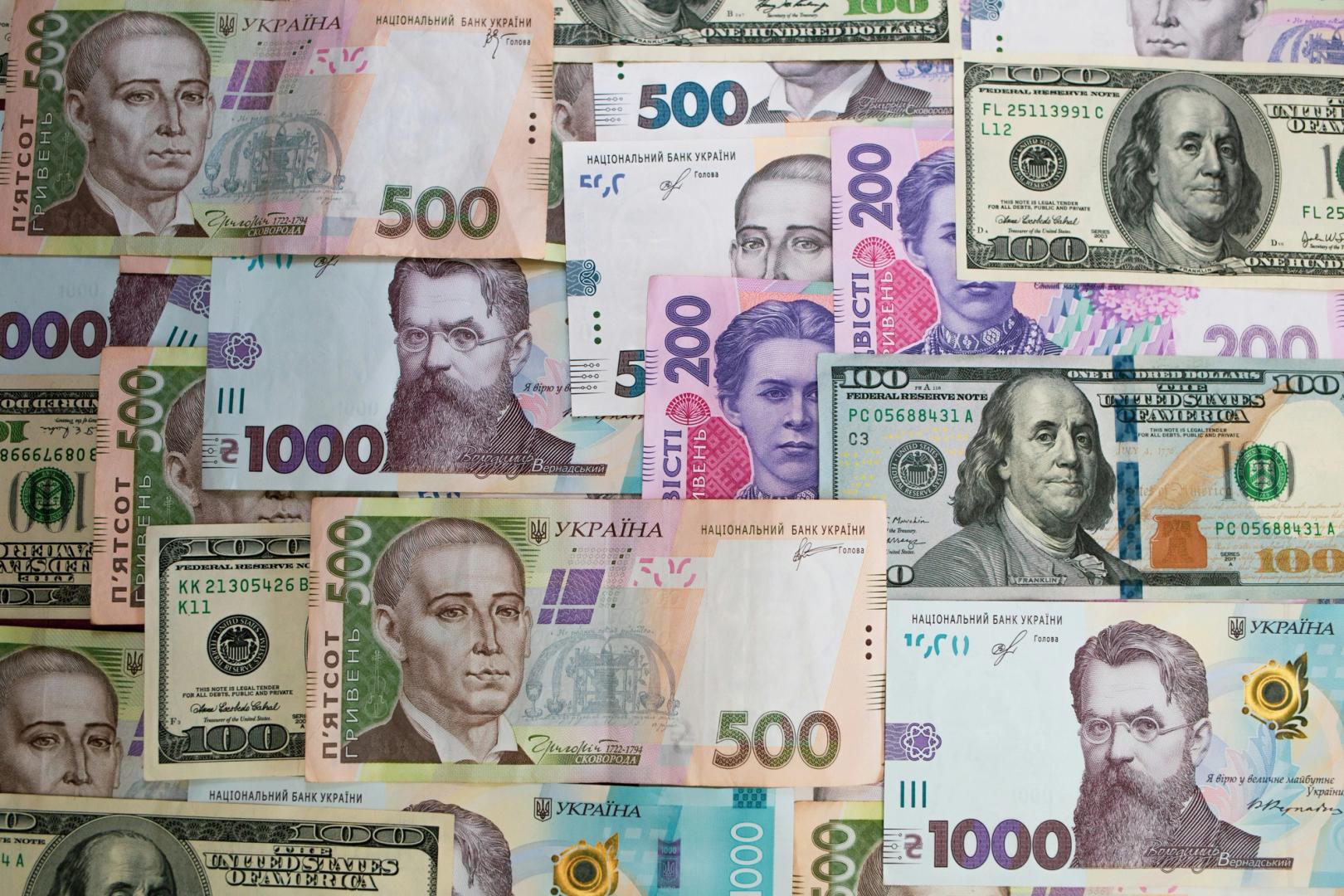
Overview
The stablecoin market has experienced explosive growth over the past several years, establishing itself as one of the most critical infrastructure components within the decentralized finance (DeFi) ecosystem. Yet despite this expansion, a curious market dynamic has emerged: while dollar-denominated stablecoins command over 99% of the market, alternatives pegged to other major currencies remain persistently marginalized. Non-dollar stablecoins—including euro, yen, pound sterling, and other fiat-backed digital assets—have struggled to capture more than 0.5% of the total stablecoin market capitalization, representing a significant market failure for what should theoretically be highly attractive financial instruments.
This phenomenon challenges conventional economic assumptions about currency diversification and international finance. In traditional markets, multi-currency offerings are standard practice, with institutional investors, corporations, and individuals routinely maintaining reserves across multiple currency denominations to hedge against exchange rate risk and optimize treasury management. Yet in the blockchain-based stablecoin ecosystem, this natural diversification has failed to materialize at scale. The concentration remains so extreme that the stablecoin market is effectively a dollar-only ecosystem, despite the clear potential benefits that non-dollar alternatives could provide to international users and institutions.
Understanding this market concentration requires examining the complex interplay of network effects, regulatory environments, liquidity mechanics, and entrenched advantages that have allowed dollar stablecoins to achieve and maintain their dominant position. As the cryptocurrency industry matures and increasingly serves a global audience, the persistent marginalization of non-dollar stablecoins raises important questions about market efficiency, financial inclusion, and the future direction of blockchain-based currency systems.
Background
The history of stablecoins reflects the broader evolution of cryptocurrency from a niche technological experiment to an increasingly mainstream financial infrastructure. When Bitcoin first emerged in 2009, volatility was endemic to the crypto market—price swings of 10-20% in a single day were common. This made cryptocurrency unsuitable for everyday transactions or store-of-value use cases, as the denomination in which users transacted could change dramatically from one hour to the next.
The quest for stable-value digital assets accelerated significantly in the mid-2010s as DeFi platforms proliferated. Trading platforms, lending protocols, and decentralized exchanges all required stable liquidity, making stablecoins not merely desirable but operationally essential. The first major wave of stablecoin innovation began around 2015-2017, with various approaches attempted: collateralized stablecoins backed by fiat deposits, over-collateralized crypto-backed stablecoins, and algorithmic models attempting to maintain stability through smart contract mechanics.
USDT (Tether) emerged as the dominant player, launching in 2014 and quickly becoming ubiquitous across crypto exchanges and trading platforms. Tether's success stemmed partly from its first-mover advantage and partly from its pragmatic approach: simple fiat collateralization paired with rapid deployment across multiple blockchain networks and exchange integrations. By the time competing stablecoins gained significant traction, Tether had already established itself as the default denominator for crypto trading pairs, a position that proved difficult to displace.
USDC, launched by Coinbase and Circle in 2018, offered a more regulated, transparent alternative to Tether, with regular audits and compliance with established financial regulations. USDC's superior transparency and regulatory standing gave institutions greater confidence, making it the stablecoin of choice for regulated intermediaries and enterprise users. By 2021-2022, USDC had grown to become the second-largest stablecoin, but still represented less than 30% of USDT's market capitalization.
During this same period, various projects attempted to launch euro-denominated, yen-denominated, and other non-dollar stablecoins. These projects seemed to address legitimate market needs: European traders wanted to transact in euros, Japanese institutional investors might prefer yen exposure, and developing-nation users might benefit from stablecoins pegged to their local currencies. Yet despite these apparent advantages, non-dollar stablecoins failed to gain meaningful adoption, languishing at tiny fractions of total stablecoin market capitalization throughout the 2018-2026 period.
Key Developments
Several factors have conspired to maintain the non-dollar stablecoin market in a state of persistent marginalization, even as the broader cryptocurrency market has matured considerably. Understanding these developments reveals the structural barriers that prevent diversification in the stablecoin ecosystem.
First, network effects in cryptocurrency trading pairs create powerful lock-in dynamics. In traditional foreign exchange markets, traders operate across multiple currency pairs simultaneously: USD/EUR, EUR/GBP, JPY/USD, and countless others. Yet in decentralized exchanges and crypto trading platforms, the vast majority of liquidity concentrates around a single base pair: the USD-denominated stablecoin pair. When 95%+ of stablecoin liquidity exists in USDT or USDC pairs, a trader who needs to acquire a particular token faces an extremely simple path: exchange their fiat currency for USDC, trade USDC for the desired asset, and reverse the process when cashing out. Any stablecoin in a different currency denomination creates friction—the trader must exchange their home currency for the non-dollar stablecoin, then execute the trading path, incurring multiple layers of fees and slippage.
Second, regulatory fragmentation across jurisdictions has created paralysis among potential non-dollar stablecoin issuers. While US-based projects like Circle and Tether could establish themselves in relatively permissive regulatory environments before facing significant compliance scrutiny, European and Asian stablecoin projects faced a far more complex landscape. The EU's Markets in Crypto-Assets Regulation (MiCA), which came into force in 2023, imposed stringent requirements on stablecoin issuers that effectively froze the market for new euro-denominated stablecoins pending regulatory clarity. Japanese regulators, historically cautious about cryptocurrency innovation, similarly imposed high barriers to yen-denominated stablecoin issuance. By the time regulatory frameworks stabilized, the first-mover advantage had already accrued overwhelmingly to dollar-denominated alternatives.
Third, institutional capital flows have reinforced dollar dominance. Major cryptocurrency exchanges, from Binance to Kraken to Coinbase, built their initial trading infrastructure around dollar stablecoins. When institutional investors and traditional finance firms began integrating cryptocurrency exposure into their portfolios around 2020-2022, they did so through infrastructure optimized for dollar-denominated assets. Once this infrastructure was established, changing it represented a massive coordination problem. A euro-denominated stablecoin might technically be attractive to a European institution, but switching trading infrastructure, updating risk management systems, and retraining trading desk personnel presented costs that no single institution found worthwhile bearing independently.
Fourth, the dollar's structural advantages in global finance apply equally to its digital representations. The US dollar maintains its position as the world's dominant reserve currency through a combination of deep capital markets, the dominion of US-based financial institutions, and the historical accident of post-WWII financial arrangements. These advantages persist in the cryptocurrency context: US-based institutions can offer superior liquidity for dollar-denominated stablecoins, existing dollar banking infrastructure can be leveraged to reduce operational friction, and trader familiarity with dollar-based valuation remains universal. Non-dollar stablecoins cannot escape these structural realities even in a theoretically borderless blockchain environment.
Recently, several projects have made renewed attempts to build meaningful non-dollar stablecoin markets. Agora, a Swiss-based project, launched a euro-stablecoin targeting institutional use. JPN Coin emerged in Japan as a yen-denominated alternative. Yet despite these efforts, combined non-dollar stablecoin market capitalization remains below 0.5% of total stablecoin market value, suggesting that structural factors—not a shortage of attempted projects—explain the persistent marginalization.
Market Impact
The concentration of the stablecoin market around dollar-denominated assets carries significant implications for blockchain adoption, international finance, and the realization of cryptocurrency's theoretical advantages as a global payment system. These impacts extend far beyond simple trading mechanics.
From a financial inclusion perspective, the dollar stablecoin dominance creates unexpected friction for non-US users. A resident of Argentina using crypto to protect against hyperinflation of the peso might rationally prefer a stablecoin denominated in euros or Swiss francs rather than exposing themselves to dollar exposure. Yet the liquidity advantages of dollar stablecoins are so overwhelming that these preferences remain unmet. Non-dollar stablecoins when available often trade at significant premiums or discounts to their official peg, with bid-ask spreads that make regular transactions uneconomical. This creates a perverse situation where the promise of global, frictionless finance—a core selling point of cryptocurrency—fails for users outside the dollar zone.
The concentration also reinforces US monetary policy influence on global crypto markets. When nearly all stablecoin liquidity is dollar-denominated, US monetary policy decisions and Federal Reserve actions reverberate through the entire cryptocurrency ecosystem. Changes in dollar interest rates, Fed balance sheet policies, or banking system stress directly impact stablecoin utility and trigger cascading effects through DeFi platforms and trading venues worldwide. This recreates, within the supposedly decentralized crypto ecosystem, the same dollar-centric financial system dynamics that many cryptocurrency advocates sought to overcome.
For institutional adoption, the non-dollar stablecoin market's weakness creates a mismatch between cryptocurrency's theoretical universal applicability and its practical deployment. European asset managers cannot build cryptocurrency portfolios denominated in euros with anywhere near the efficiency available for dollar-based construction. Japanese pension funds face severe frictions in accessing cryptocurrency exposure in their home currency. This fragmentation between those who can efficiently access crypto assets (primarily dollar-zone institutions and individuals) and those for whom friction remains high has created a multi-tiered cryptocurrency ecosystem that contradicts the borderless ideal.
The market concentration has also impacted regulatory policy debates globally. Policymakers in countries with non-dominant currencies point to the stablecoin market's structure as evidence that unregulated cryptocurrency systems naturally concentrate power and value in ways that benefit dominant economic actors—in this case, the US and dollar-denominated financial interests. These observations have influenced regulatory approaches in Europe, Asia, and elsewhere, with authorities viewing stablecoins with greater skepticism when they perceive them as extending rather than challenging existing financial hierarchies.
Risks and Considerations
The persistent marginalization of non-dollar stablecoins creates several distinct risks that warrant careful consideration as the blockchain ecosystem matures.
The systemic concentration risk represents the most serious concern. With over 99% of stablecoin market value denominated in dollars, the entire stablecoin ecosystem becomes highly vulnerable to shocks affecting dollar stability or confidence in US financial institutions. A banking crisis, dollar crisis, or sudden regulatory crackdown on dollar-denominated stablecoins could destabilize the entire DeFi ecosystem and force a painful reallocation across the blockchain economy. Broader geographic diversification would reduce this single-point-of-failure risk, but the market has demonstrated no organic tendency toward such diversification.
Regulatory concentration risk mirrors this concern at the policy level. With dollar stablecoins manufactured primarily by US-based firms operating under US regulatory frameworks, the entire stablecoin ecosystem becomes hostage to US regulatory decisions. Should US regulators decide to impose restrictions on stablecoin issuance or usage, they could effectively paralyze global cryptocurrency markets without requiring coordination from any other jurisdiction. This contradicts the decentralization imperative that motivated cryptocurrency's original development.
The illiquidity of non-dollar alternatives creates operational risks for the limited institutions attempting to build non-dollar crypto portfolios. Wide spreads, low trading volumes, and inconsistent availability across platforms mean that large transactions in non-dollar stablecoins can move markets significantly and incur substantial slippage costs. This creates a disincentive for further adoption, establishing a negative feedback loop where low adoption justifies low liquidity, which perpetuates low adoption.
There are also financial stability considerations that central banks and regulators increasingly recognize. The global economy remains deeply interconnected across currencies, yet the cryptocurrency ecosystem has consolidated around a single currency. This divergence creates potential friction points: if cryptocurrency usage continues to grow among non-US populations while remaining dollar-denominated, it could amplify dollar demand and influence currency markets in unexpected ways. Conversely, were non-dollar stablecoins to suddenly gain substantial adoption, rapid currency substitution dynamics could emerge.
From a competitive perspective, the non-dollar stablecoin market's weakness suggests that competition in the stablecoin space may be less functional than it appears. While multiple large dollar-denominated stablecoins exist (USDT, USDC, BUSD, and others), their combined dominance drowns out all alternatives. A functioning competitive market would typically produce more geographic diversification, yet the market has failed to achieve this despite multiple attempted entries. This suggests that first-mover advantage and network effects may function as near-insurmountable barriers to entry, limiting genuine competition and the innovation it typically spurs.
What to Watch
Several developments on the horizon could potentially shift the non-dollar stablecoin market's trajectory, though none currently appears positioned to produce a dramatic transformation.
Central bank digital currencies (CBDCs) represent a potential game-changer, though the timeline remains uncertain. Should the European Central Bank, Bank of Japan, and other non-US central banks launch retail CBDCs that function smoothly across borders, they could provide an alternative to non-dollar stablecoins while offering the credibility advantage of official backing. However, most CBDC proposals prioritize domestic payments over international transactions, and cross-border CBDC functionality remains years away.
Regulatory innovations could potentially shift incentives. If regulatory frameworks in Europe or Asia explicitly encouraged development of regional stablecoins with favorable treatment relative to dollar alternatives, market dynamics could change. The EU's digital euro initiative and Japan's CBDC research suggest some willingness to pursue alternatives, though regulatory encouragement for non-official stablecoins remains limited.
Institutional adoption trends merit close monitoring. Should major multinational corporations or cross-border payment services begin specifically demanding euro-denominated or yen-denominated stablecoin infrastructure, market demand could finally become sufficient to support meaningful non-dollar stablecoin ecosystems. So far, institutional adoption has followed the path of least resistance, integrating dollar-based infrastructure, but this could change if friction costs rise high enough.
Technology developments in bridging and wrapped assets may provide partial solutions. Advanced bridge protocols that efficiently allow seamless conversion between dollar stablecoins and other currencies on-chain could reduce some frictions even if native non-dollar stablecoins never achieve critical mass. Some projects are actively exploring these approaches.
Finally, geopolitical and economic shifts could reshape currency preferences. Were the US dollar to face significant challenges to its reserve currency status, or were the eurozone to establish itself as a more compelling alternative, market participants might demand corresponding shifts in stablecoin denominations. Such shifts typically occur gradually, but their direction would shape stablecoin market evolution significantly.
Conclusion
The persistent marginalization of non-dollar stablecoins represents a striking market outcome that challenges conventional economic assumptions about diversification and efficiency. Despite possessing clear theoretical advantages—reduced currency risk for non-US users, hedging properties against dollar fluctuations, and technical equivalence to dollar-denominated alternatives—non-dollar stablecoins remain locked out of meaningful market participation through a combination of network effects, regulatory barriers, institutional infrastructure decisions, and structural advantages inherent to dollar dominance in global finance.
This market outcome reveals important truths about cryptocurrency's actual operation compared to its theoretical ideals. Rather than creating a borderless, neutral financial system, the blockchain ecosystem has replicated and amplified existing financial hierarchies, concentrating value and liquidity in instruments denominated by the world's dominant currency. First-mover advantages, network effects, and regulatory capture have proven far more consequential than the technical qualities that originally distinguished cryptocurrency advocates' vision of an alternative financial system.
As the cryptocurrency ecosystem matures and assumes greater importance in global finance, the stablecoin market's structural failures become increasingly problematic. The concentration risk of having nearly all institutional crypto exposure denominated in a single currency presents vulnerabilities to both the traditional financial system and to the blockchain ecosystem itself. The inability of non-US populations and institutions to efficiently access cryptocurrency exposure in their home currencies represents a financial inclusion failure that contradicts cryptocurrency's founding principles.
Resolving this market failure likely requires deliberate policy or technological intervention rather than organic market forces. Central bank digital currencies, regulatory innovation in non-US jurisdictions, or technological breakthroughs in cross-currency bridging represent the most plausible paths toward a more diversified stablecoin ecosystem. Without such interventions, the stablecoin market's concentration around dollar-denominated assets appears likely to persist, fundamentally reshaping the blockchain ecosystem's relationship to existing financial power structures rather than challenging them as originally envisioned.
Original Source
CoinDesk