House Proposes Unified Crypto-Theft Task Force Across Federal Agencies
A new U.S. House bill would establish a comprehensive crypto-theft task force spanning multiple law enforcement agencies, addressing the growing challenge of cryptocurrency-related crimes. The proposal aims to coordinate investigations and prosecution efforts while enhancing technical capabilities across federal agencies.
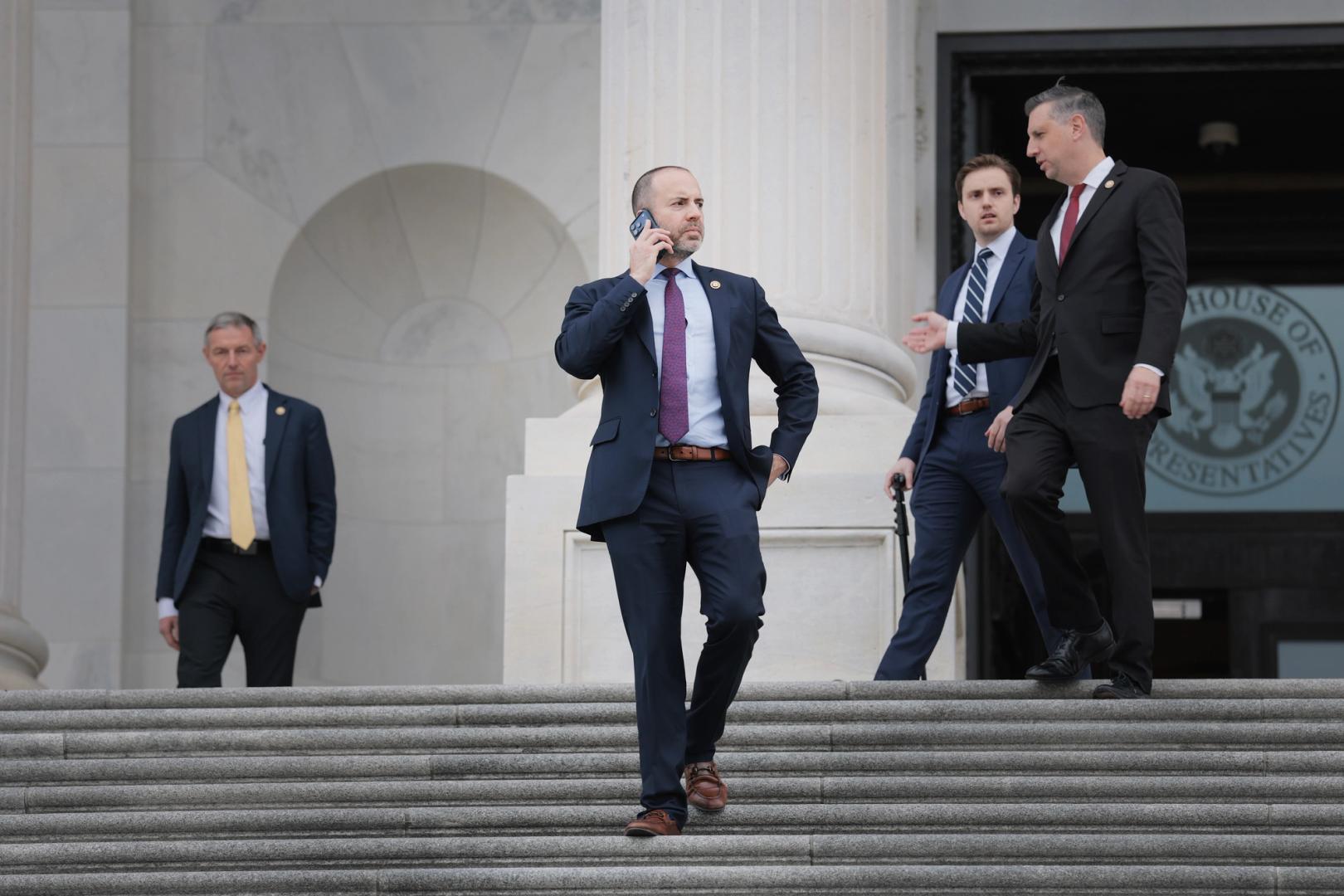
Overview
The U.S. House of Representatives has introduced legislation that would establish a dedicated crypto-theft task force, marking a significant step toward creating unified law enforcement infrastructure for addressing cryptocurrency-related crimes. This legislative initiative represents a pivotal moment in how federal agencies approach the rapidly evolving landscape of digital asset theft, fraud, and financial crimes. The proposed framework would consolidate resources, expertise, and investigative capabilities across multiple federal law enforcement agencies, including the Federal Bureau of Investigation (FBI), the U.S. Secret Service, the Drug Enforcement Administration (DEA), and the Treasury Department.
The bill reflects growing recognition that cryptocurrency-related crimes require specialized knowledge, sophisticated technical capabilities, and coordinated efforts that transcend traditional jurisdictional boundaries. As digital asset theft has surged in recent years, ranging from exchange hacks to individual wallet compromises, federal agencies have struggled with fragmented approaches and inconsistent resources. This legislation seeks to remedy those deficiencies by creating a centralized authority and coordinated task force structure.
The crypto-theft task force proposal comes at a time when cryptocurrency fraud and theft have reached unprecedented levels, with billions of dollars in digital assets stolen or fraudulently obtained annually. The House recognizes that effective enforcement requires not only legal frameworks but also technical expertise, forensic capabilities, and inter-agency coordination that currently exists in silos across different federal departments.
Background
The cryptocurrency industry has experienced exponential growth over the past decade, with the total market capitalization reaching unprecedented levels. However, this growth has been accompanied by a parallel increase in criminal activities, from large-scale exchange breaches to targeted ransomware attacks demanding cryptocurrency payment. Law enforcement agencies have repeatedly noted their challenges in investigating these crimes, citing the technical complexity of blockchain technology, the pseudonymous nature of digital transactions, and the borderless character of cryptocurrency networks.
Previous legislative efforts have largely focused on compliance and anti-money laundering (AML) regulations through frameworks like the Bank Secrecy Act amendments and FinCEN guidance. However, these measures primarily address prevention and reporting rather than active investigation and prosecution of theft crimes. The current patchwork approach has created situations where different agencies pursue overlapping investigations with inconsistent methodologies, leading to inefficiencies and missed opportunities to prevent cascading theft incidents.
The FBI's Internet Crime Complaint Center (IC3) has reported that cryptocurrency-related complaints have increased dramatically year-over-year, with victims reporting losses in the billions. These crimes range from Ponzi schemes and romance scams to sophisticated hacking operations targeting institutional exchanges and custodians. The Secret Service, traditionally focused on counterfeiting and financial crimes, has increasingly devoted resources to cryptocurrency investigations. Meanwhile, the DEA has recognized the role of cryptocurrency in drug trafficking networks. This fragmentation underscores the need for unified coordination.
Additionally, state and local law enforcement agencies have expressed frustration with their limited ability to handle cryptocurrency cases, as these crimes often transcend state borders and require expertise most agencies cannot readily access. The absence of a clear federal focal point for crypto-crime investigations has created gaps in the system, with cases sometimes falling through jurisdictional cracks or receiving inconsistent treatment depending on which agency initially responds.
Key Developments
The proposed House bill would establish several critical components to address these enforcement challenges. First, it would create a formal Interagency Task Force on Cryptocurrency Theft and Fraud with dedicated staffing, funding, and authority to coordinate investigations across federal agencies. This structure would enable case agents from the FBI, Secret Service, DEA, and other relevant agencies to work collaboratively under unified leadership rather than pursuing parallel investigations.
Second, the legislation would authorize the development of specialized training programs for federal law enforcement personnel on blockchain technology, cryptocurrency forensics, and digital asset tracing. Current law enforcement training curricula have struggled to keep pace with technological advances, leaving agents ill-equipped to handle the technical aspects of cryptocurrency investigations. The bill explicitly recognizes that forensic analysis of blockchain transactions requires specialized knowledge distinct from traditional financial crime investigation.
Third, the proposal includes provisions for enhanced information-sharing protocols among federal agencies and between federal and state/local law enforcement. Cryptocurrency crimes often intersect multiple jurisdictions and agency mandates, yet information barriers have historically impeded effective coordination. The bill would create secure channels and standardized protocols for sharing investigative leads, evidence, and intelligence about cryptocurrency theft patterns and perpetrator networks.
Fourth, the legislation would establish partnerships with private sector entities, including cryptocurrency exchanges, blockchain analysis firms, and cybersecurity companies. These partnerships would facilitate faster identification and asset recovery in theft cases, as well as provide law enforcement access to technical expertise and tools that private companies have developed. The bill recognizes that public-private collaboration is essential, as private entities often detect and respond to theft incidents before law enforcement becomes involved.
Fifth, the proposal includes dedicated funding for the task force, including resources for specialized equipment, software tools, and personnel. Current budget limitations have forced agencies to reprioritize cryptocurrency investigations in favor of other priorities, resulting in delayed responses and reduced investigation intensity. Dedicated funding would enable the task force to maintain standing readiness and investigative capacity specifically focused on cryptocurrency crimes.
Market Impact
The establishment of a unified crypto-theft task force would likely produce immediate and downstream effects on the cryptocurrency market and industry participants. In the short term, the announcement of enhanced enforcement capabilities may create modest market volatility as investors assess regulatory implications, though this would likely be temporary. The market has generally responded positively to regulatory clarity, and this enforcement initiative could be perceived as a sign of governmental commitment to protecting market participants and reducing systemic fraud risks.
For institutional investors and custodians, the task force would represent an important development enhancing the security and legitimacy of cryptocurrency markets. Large institutional players have cited regulatory uncertainty and enforcement gaps as concerns limiting their participation. A unified federal enforcement apparatus addressing theft and fraud could increase institutional confidence in market safety and accelerate institutional adoption of digital assets. This could translate to increased market participation, potentially driving valuations upward as more capital enters the space.
For cryptocurrency exchanges and custodians, the task force would create both challenges and opportunities. Exchanges would face greater scrutiny and compliance expectations, but they would also benefit from enhanced law enforcement partnership in recovering stolen assets and identifying perpetrators. A more secure regulatory environment reduces the reputational and financial risks that exchanges face from large-scale theft incidents. The ability to recover more stolen assets through coordinated federal investigations would provide meaningful value to victims and increase confidence in exchange security measures.
The broader cryptocurrency market infrastructure would benefit from the task force's work. As theft incidents become less common and perpetrators face increased apprehension probability, the insurance and security costs associated with cryptocurrency holdings would likely decrease over time. This reduction in friction costs would enhance the economic viability of cryptocurrency-based applications and services, potentially accelerating innovation in the space.
Risks and Considerations
While the establishment of a crypto-theft task force represents a positive development for enforcement, several important considerations and potential risks merit attention. First, there is the question of whether dedicated federal resources focused on cryptocurrency crimes might come at the expense of other law enforcement priorities. Agencies have finite budgets, and reallocation to cryptocurrency focus could impact investigations into other serious crimes, particularly at the federal level where resources are already constrained.
Second, the technical complexity of cryptocurrency forensics creates risks of investigative missteps. Unlike traditional financial crimes involving established banking systems with clear audit trails, cryptocurrency investigations involve navigating complex blockchain architectures, understanding privacy protocols, and sometimes attributing pseudonymous transactions to specific individuals. Mistakes in technical analysis could lead to wrongful investigations or prosecutions, creating civil liability risks and undermining the legitimacy of federal cryptocurrency enforcement efforts.
Third, there are important privacy and civil liberties considerations. Enhanced law enforcement capabilities in tracking and analyzing cryptocurrency transactions must be balanced against individuals' legitimate privacy rights. The proposal's approach to warrants, subpoenas, and investigative authorities relative to cryptocurrency activities will be crucial in determining whether enforcement powers are appropriately constrained.
Fourth, the international dimension of cryptocurrency crimes creates enforcement challenges that a domestic task force, while valuable, cannot fully address. Many cryptocurrency theft operations are perpetrated by international criminal organizations operating from jurisdictions beyond U.S. law enforcement reach. The task force's effectiveness will depend partly on international cooperation agreements and treaties that facilitate extradition and joint investigations.
Fifth, there are potential unintended consequences related to innovation and the cryptocurrency industry's competitive positioning. If the task force's activities create excessive compliance burdens on cryptocurrency businesses, it could drive innovation and activity to less-regulated jurisdictions, potentially reducing U.S. market competitiveness in cryptocurrency technology and services. Policymakers must carefully calibrate enforcement intensity to deter crime without imposing counterproductive regulatory burden.
What to Watch
As this legislation moves through Congress and potentially toward enactment, several key developments warrant close observation. First, watch for the specific budget allocation the task force receives. The bill's practical effectiveness will depend significantly on whether Congress appropriates sufficient funding to hire specialized personnel, procure advanced forensic tools, and maintain investigative capacity. Underfunding would limit the task force's ability to fulfill its mandate.
Second, observe how the task force's governance structure is ultimately designed, particularly regarding agency leadership, decision-making authority, and the balance of power among participating agencies. These structural details will determine whether the task force achieves genuine integration or devolves into a loosely coordinated effort where agencies maintain independence and pursue fragmented approaches.
Third, pay attention to the private sector partnership framework that emerges. The relationship between federal law enforcement and cryptocurrency exchanges, blockchain analysis firms, and other private entities will be critical. Watch for safeguards protecting proprietary business information and customer privacy while enabling effective law enforcement collaboration.
Fourth, monitor the development of training and capacity-building programs. The success of federal cryptocurrency investigations depends on agents and prosecutors having sufficient technical expertise. Watch for announcements about training curricula, hiring of specialists with blockchain expertise, and establishment of research partnerships with academic institutions.
Fifth, observe the task force's initial case prioritization. Which types of cryptocurrency crimes receive priority—exchange hacks, individual theft, ransomware-related payments, etc.? The task force's early case selection will signal its approach and may influence which categories of crimes experience enhanced enforcement.
Finally, watch for international coordination initiatives. Effective cryptocurrency crime enforcement requires coordination with law enforcement agencies in other countries. Observe whether the task force establishes formal working relationships with international partners and participates in joint investigation teams.
Conclusion
The House bill establishing a dedicated crypto-theft task force represents meaningful progress toward addressing the law enforcement challenges posed by the cryptocurrency industry's growth. By centralizing resources, establishing unified investigative protocols, and creating structured coordination mechanisms across federal agencies, the task force promises to enhance the U.S. government's capacity to investigate and prosecute cryptocurrency-related crimes.
The proposal reflects a maturation of federal policy toward cryptocurrency, moving beyond preliminary regulatory frameworks toward substantive enforcement infrastructure. As the digital asset space continues expanding and becoming more central to financial systems, having dedicated law enforcement capacity focused on preventing and prosecuting theft becomes increasingly important for market integrity and consumer protection.
The task force's success will ultimately depend on implementation details—funding levels, personnel expertise, governance structures, and private sector partnerships. If properly resourced and structured, the unified task force could meaningfully reduce the prevalence of cryptocurrency theft, decrease insurance and security costs for market participants, and increase confidence in the legitimacy and safety of cryptocurrency markets.
However, policymakers must also carefully balance enforcement objectives with considerations about innovation, competitiveness, and civil liberties. The task force should serve as a protective mechanism preventing criminal exploitation of cryptocurrency technology, not an impediment to legitimate innovation and market development. With thoughtful implementation, the crypto-theft task force could provide exactly the institutional infrastructure that federal law enforcement has lacked, bringing order and coordination to what has been a fragmented and reactive enforcement landscape.
Original Source
CoinDesk