North Korea Arrests Hackers in Major Crypto Laundering Crackdown
North Korean authorities have arrested hackers accused of stealing funds from the country's central bank and laundering proceeds through cryptocurrency channels. The arrests mark a rare public enforcement action by Pyongyang against individuals allegedly involved in state-directed cyber operations.
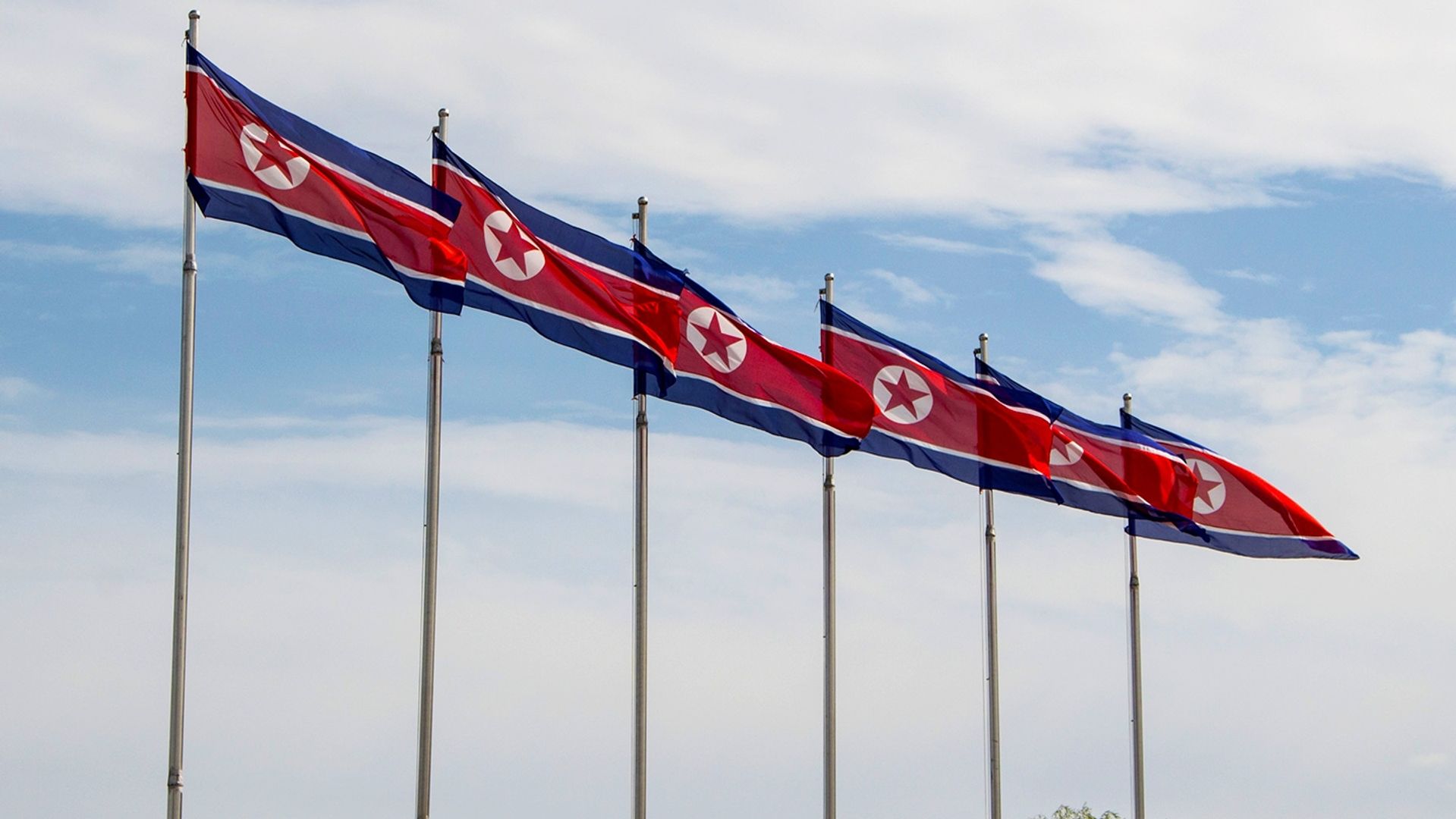
Overview
In a significant development that underscores the intensifying global crackdown on cryptocurrency-enabled financial crime, North Korean authorities announced the arrest of hackers accused of stealing substantial sums from the country's banking system and laundering the proceeds through digital asset channels. The arrests represent a rare public enforcement action by Pyongyang's government, typically known for shielding its cyber operatives from international scrutiny. This case highlights the growing intersection of state-sponsored cybercrime, traditional financial institutions, and cryptocurrency markets—a landscape where illicit funds move rapidly across borders through blockchain networks that were designed to be transparent yet often remain functionally opaque when it comes to tracing bad actors.
The arrested individuals stand accused of executing a sophisticated theft targeting the Korean Central Bank, one of North Korea's most critical financial institutions. Authorities allege that the hackers exploited vulnerabilities in the bank's security infrastructure to gain unauthorized access and transfer funds to external accounts. Rather than attempting to move stolen money through traditional banking channels—which would be subject to international sanctions and monitoring—the accused perpetrators allegedly converted the stolen fiat currency into cryptocurrency, enabling rapid cross-border transfers with minimal friction. This modus operandi reflects a well-documented pattern observed by cybersecurity researchers and law enforcement agencies worldwide, where criminal actors and state-backed operations increasingly rely on digital assets to obscure the origins and destinations of illicit proceeds.
The timing of this announcement carries particular significance given the heightened international focus on North Korea's cyber capabilities and the nation's ongoing efforts to evade economic sanctions through digital means. As cryptocurrency adoption accelerates globally and blockchain technology becomes increasingly integrated into mainstream financial systems, the vulnerability of legacy banking infrastructure to sophisticated cyber attacks has become impossible to ignore. This case serves as a cautionary tale for financial institutions worldwide, demonstrating that even systems serving nation-states can fall prey to determined adversaries armed with advanced technical capabilities and months of preparation time.
Background
North Korea has long occupied a prominent position in the international cybercrime landscape, with numerous government agencies, cybersecurity firms, and academic researchers documenting decades of sophisticated state-sponsored hacking operations. The regime's cyber infrastructure, developed alongside its military-industrial complex, has been implicated in some of the world's most consequential cyber attacks, including the 2014 breach of Sony Pictures Entertainment, the 2017 WannaCry ransomware attack that affected hundreds of thousands of computers globally, and multiple incursions targeting cryptocurrency exchanges and blockchain projects. These operations have generated billions of dollars for the regime, effectively serving as a supplementary revenue stream that circumvents international sanctions and restrictions on North Korea's traditional export sectors.
The economic rationale driving North Korea's investment in cyber capabilities cannot be overstated. Facing comprehensive international sanctions that severely restrict its ability to export goods, earn foreign currency through legitimate trade, and access global financial markets, the regime has systematically developed cyber capabilities as an asymmetric tool for wealth accumulation. Unlike traditional criminal enterprises that might shun publicity, North Korea's cyber operations benefit from implicit state protection and appear to operate with explicit government direction and support. This state-backing fundamentally changes the calculus of cyber operations—individual operators need not fear prosecution from their own government, and the scale of operations can far exceed what independent criminal organizations might achieve.
The cryptocurrency sector has become a particularly attractive target for North Korean cyber operations. Blockchain networks operate continuously, transfers occur instantly and irreversibly, and the pseudonymous nature of many cryptocurrency transactions creates significant challenges for law enforcement agencies attempting to trace stolen funds. Cryptocurrency exchanges, while increasingly regulated, often maintain security postures inferior to traditional financial institutions bound by decades of regulatory requirements and compliance frameworks. The combination of high-value targets, weak security in many cases, and favorable technical characteristics for money laundering has made cryptocurrency exchanges and blockchain protocols primary targets for North Korean hackers. Security researchers have documented thousands of attempted intrusions against exchange infrastructure, with confirmed successful breaches resulting in the theft of billions of dollars worth of cryptocurrency over the past decade.
The alleged perpetrators in this case likely benefited from sophisticated training programs and access to advanced exploit kits developed by North Korea's Bureau 121, the regime's primary cyber warfare unit. These operations typically involve months of reconnaissance, during which attackers map network architecture, identify potential vulnerabilities, and monitor security practices to identify gaps. Once access is gained, attackers establish persistence mechanisms—hidden backdoors and credential theft tools—that allow them to maintain access even if initial vulnerabilities are patched. The sophistication required to breach a central bank's network exceeds the capabilities of most independent criminal organizations, strongly suggesting direction and support from state-level actors.
Key Developments
The arrests announced by North Korean authorities represent a departure from the regime's typical approach to cyber operations. Historically, North Korea has refused to acknowledge the existence of state-sponsored hacking programs, instead maintaining official denials in response to international accusations. The decision to publicly arrest and prosecute individuals allegedly involved in the bank heist suggests several possible interpretations. First, the stolen funds may have originated from illicit internal transfers rather than legitimate state resources, potentially representing a threat to regime control over financial flows. Second, the affected individuals may have exceeded their mandate or acted without proper authorization, necessitating discipline to maintain hierarchical control. Third, the regime may be attempting to project an image of domestic law and order to international observers, particularly if negotiations regarding sanctions relief are under consideration.
According to reports from cybersecurity researchers monitoring the case, the breach itself likely exploited a combination of technical vulnerabilities and social engineering. Attackers probably conducted extensive reconnaissance using publicly available information, social media research, and network scanning tools to identify potential entry points. Initial access may have been gained through phishing emails sent to bank employees, credential-stealing malware deployed through compromised websites, or exploitation of unpatched vulnerabilities in publicly accessible systems. Once inside the network perimeter, attackers would have conducted lateral movement—using compromised credentials and privilege escalation techniques to expand their access from initial entry points to more sensitive systems containing financial data.
The conversion of stolen fiat currency into cryptocurrency appears to have utilized a multi-step process designed to obscure the audit trail. Preliminary investigations suggest that attackers transferred stolen funds to accounts controlled by intermediaries, who then conducted multiple currency exchanges across different platforms and jurisdictions. This practice, known as "mixing" or "tumbling," intentionally scrambles the transaction history to make it difficult for forensic investigators to reconstruct the flow of funds. Some of the converted cryptocurrency was reportedly moved to decentralized finance (DeFi) protocols—blockchain-based financial systems operating without centralized intermediaries—where additional layers of obfuscation could be applied through liquidity pools and cross-chain atomic swaps.
The investigation that led to the arrests reportedly involved collaboration between domestic North Korean security services and technical specialists from the regime's cyber intelligence divisions. Notably, some reports suggest that international intelligence agencies may have provided critical leads or technical assistance, though official statements have been limited due to the sensitivity of intelligence sharing arrangements. The forensic investigation likely involved blockchain analysis firms that specialize in tracing cryptocurrency transactions, combined with traditional financial crime investigation techniques. The ability to link specific cryptocurrency addresses to the individuals now under arrest required sophisticated technical analysis, suggesting that investigators possessed significant resources and expertise in blockchain forensics.
Market Impact
The immediate market reaction to news of the arrests reflected broader cryptocurrency market dynamics and investor sentiment toward regulatory enforcement actions. Major cryptocurrency indices showed mixed reactions, with some tokens experiencing price pressure amid concerns that successful enforcement actions by North Korea might signal broader international coordination against illicit cryptocurrency activities. Conversely, other market participants interpreted the arrests as demonstrating that law enforcement agencies worldwide were developing more sophisticated capabilities for tracing and recovering stolen funds, potentially reducing the appeal of cryptocurrency for criminal purposes and increasing long-term market legitimacy.
Cryptocurrency exchange operators and blockchain infrastructure providers closely monitored the case for implications regarding regulatory enforcement priorities. If North Korean-linked addresses could be successfully traced through blockchain transactions and connected to specific individuals, this demonstrated a significant evolution in law enforcement capabilities. The case serves as a data point for ongoing debates within the cryptocurrency industry about the effectiveness of self-regulatory organizations and the necessity for government intervention. Some exchanges announced enhanced compliance programs specifically targeting North Korean-linked addresses, implementing more restrictive geographic limitations on trading, and increasing investment in blockchain forensics capabilities.
The broader implications for cryptocurrency market structure merit consideration. If enforcement actions successfully interrupt the ability of state-sponsored actors to launder stolen funds through cryptocurrency channels, this could reduce one significant category of cryptocurrency demand. Over the past decade, estimates suggest that illicit activities account for a meaningful but declining percentage of cryptocurrency transaction volume—currently estimated at 3-5% of all transactions, down from peaks exceeding 10% during earlier periods when regulatory frameworks were less developed. However, the absolute dollar volumes involved remain substantial, measured in billions of dollars annually. Reduced access to these revenue streams could alter North Korea's cost-benefit analysis regarding cyber operations, potentially forcing the regime to reallocate resources or accept reduced revenue from cyber theft operations.
Traditional financial markets showed more muted reactions, reflecting the reality that cryptocurrency theft and money laundering operate in channels largely separate from traditional banking infrastructure. Central banks monitoring the incident focused on the security implications and lessons for protecting their own systems. Insurance companies offering cyber liability coverage increased scrutiny of financial institution clients' security postures and adjusted premium calculations accordingly. The case reinforced existing trends in financial services toward increased investment in cybersecurity infrastructure, threat intelligence sharing, and employee security training programs.
Risks and Considerations
The case presents several concerning risks for global financial stability and cybersecurity. Most immediately, the arrests may prompt North Korea's cyber operations units to accelerate their targeting of financial institutions worldwide, viewing this as a sign that international enforcement capabilities are improving. Desperation, combined with advanced technical capabilities and state sponsorship, could result in more aggressive cyber attacks against banking systems in jurisdictions perceived as vulnerable. Critical infrastructure operators, particularly those managing power grids, water treatment facilities, and transportation networks, should anticipate potential cyber attacks designed to create chaos and pressure governments into releasing frozen assets or negotiating sanctions relief.
The investigation's success in tracing cryptocurrency transactions and linking them to specific individuals raises important considerations regarding cryptocurrency privacy and financial surveillance. While the ability to trace illicit funds supports legitimate law enforcement objectives, the same capabilities could be misused by authoritarian regimes to monitor citizen transactions and suppress financial freedom. Cryptocurrency advocates have long argued that financial privacy represents a fundamental right; however, this case demonstrates tension between privacy interests and legitimate law enforcement needs. As cryptocurrency forensics capabilities advance, these tensions will intensify, requiring careful policy deliberation regarding appropriate limits on financial surveillance.
The case also highlights vulnerabilities in cryptocurrency exchange security and custody practices. Several of the intermediaries allegedly used in the money laundering scheme operated from jurisdictions with weak regulatory frameworks or insufficient resources for enforcement. This points to a persistent challenge in cryptocurrency regulation—the industry's genuinely global nature means that regulatory gaps in any jurisdiction can be exploited to circumvent controls implemented elsewhere. Coordinated international regulatory action faces substantial challenges given different governmental priorities, cultural attitudes toward financial privacy, and technical capacities for enforcement.
A deeper consideration involves the relationship between cryptocurrency and state-sponsored theft. The ease with which stolen funds can be converted into cryptocurrency, transferred internationally, and subsequently mixed through various protocols suggests that cryptocurrency may be fundamentally unsuitable for certain high-security applications unless significantly more robust regulatory frameworks are implemented. However, implementing such frameworks could substantially constrain cryptocurrency's utility for legitimate users and might drive financial activity to alternative channels or other cryptocurrencies designed specifically to resist regulatory monitoring.
What to Watch
Observers should closely monitor several developments in the coming months. First, the formal charges and trial proceedings against the arrested hackers will provide valuable insights into the technical details of the breach and money laundering scheme. Details regarding which specific vulnerabilities were exploited, how long attackers maintained access, and which cryptocurrency exchange services were used in the money laundering process will inform security recommendations for financial institutions worldwide. The trial may also reveal information about command structure within North Korea's cyber operations units, potentially exposing connections to other known cyber attacks.
Second, international responses to the arrests will shape future cooperation on cyber crime enforcement. The success of North Korean authorities in arresting cyber operatives opens questions about whether this reflects a genuine shift in policy or represents a one-off enforcement action designed for propaganda purposes. If true coordination between North Korean authorities and international law enforcement agencies is occurring, this would represent a significant departure from historical patterns and could signal potential opportunities for enhanced cooperation on other transnational crime issues.
Third, cryptocurrency exchange compliance practices warrant close observation. Exchanges operating in jurisdictions with strong regulatory frameworks may implement increasingly restrictive policies regarding transactions involving North Korean-linked addresses or characteristics, potentially fragmenting the cryptocurrency market into compliant and non-compliant segments. The profitability of serving non-compliant users must be weighed against regulatory risks and reputational damage, creating potential divergence in exchange practices across different jurisdictions.
Fourth, technological developments in blockchain forensics will merit attention. As investigators demonstrate improved capabilities for tracing cryptocurrency transactions and connecting them to specific individuals, cryptocurrency developers may accelerate research into privacy-enhancing technologies designed to resist forensic analysis. This potential technological escalation between law enforcement capabilities and privacy technologies could reshape cryptocurrency markets and regulatory frameworks over the coming years.
Conclusion
The arrest of hackers accused of stealing from North Korea's central bank and laundering proceeds through cryptocurrency channels represents a significant moment in the intersection of state-sponsored cybercrime, financial institutions, and digital asset markets. While the immediate impact on cryptocurrency markets remains modest, the longer-term implications could be substantial if the case demonstrates reproducible investigative techniques for tracing illicit funds through blockchain systems. The case underscores ongoing vulnerabilities in financial institution security, the increasing sophistication of state-sponsored cyber operations, and the challenging landscape facing regulators attempting to balance financial crime prevention against legitimate privacy interests.
For cryptocurrency markets, this case may accelerate trends toward increased regulation, improved exchange security standards, and greater integration with traditional financial regulatory frameworks. These developments could enhance long-term market legitimacy by reducing the ability of state-sponsored and criminal actors to utilize cryptocurrency for illegal purposes. However, implementing such controls without causing excessive financial surveillance raises genuinely difficult policy questions that democratic societies will need to address thoughtfully and comprehensively.
For financial institutions, the case serves as a potent reminder of the necessity for comprehensive cybersecurity programs, regular security assessments, employee training, and incident response preparedness. Even central banks serving the world's most hostile regimes remain vulnerable to sophisticated cyber attacks, suggesting that security is an ongoing process rather than a destination. Investment in threat intelligence, attack surface management, and employee security awareness represents essential spending rather than optional expenditures.
Looking forward, the cryptocurrency sector will need to grapple with questions about how to balance legitimate privacy interests with law enforcement's legitimate needs to combat financial crime and prevent the proceeds of theft from being laundered through digital asset channels. This conversation should involve cryptocurrency developers, exchange operators, regulators, law enforcement agencies, and civil society organizations focused on privacy and financial freedom. The outcome of these discussions will significantly shape how digital assets integrate into the broader global financial system and whether cryptocurrency ultimately becomes a tool for expanding financial freedom or primarily serves criminal and illicit purposes.
The North Korean case demonstrates that international enforcement capabilities are evolving faster than many previously anticipated, potentially raising costs for state-sponsored cyber operations and criminal actors attempting to launder stolen funds. However, the cat-and-mouse dynamic between law enforcement and sophisticated adversaries ensures that this will remain an ongoing challenge, requiring sustained international cooperation, continuous technological innovation, and carefully calibrated policy frameworks that protect legitimate financial privacy while enabling law enforcement to combat genuine threats to financial system integrity and national security.
Original Source
CoinDesk