Bitcoin ETF Outflows Hit Record 9-Day Streak as $2.8B Exits Markets
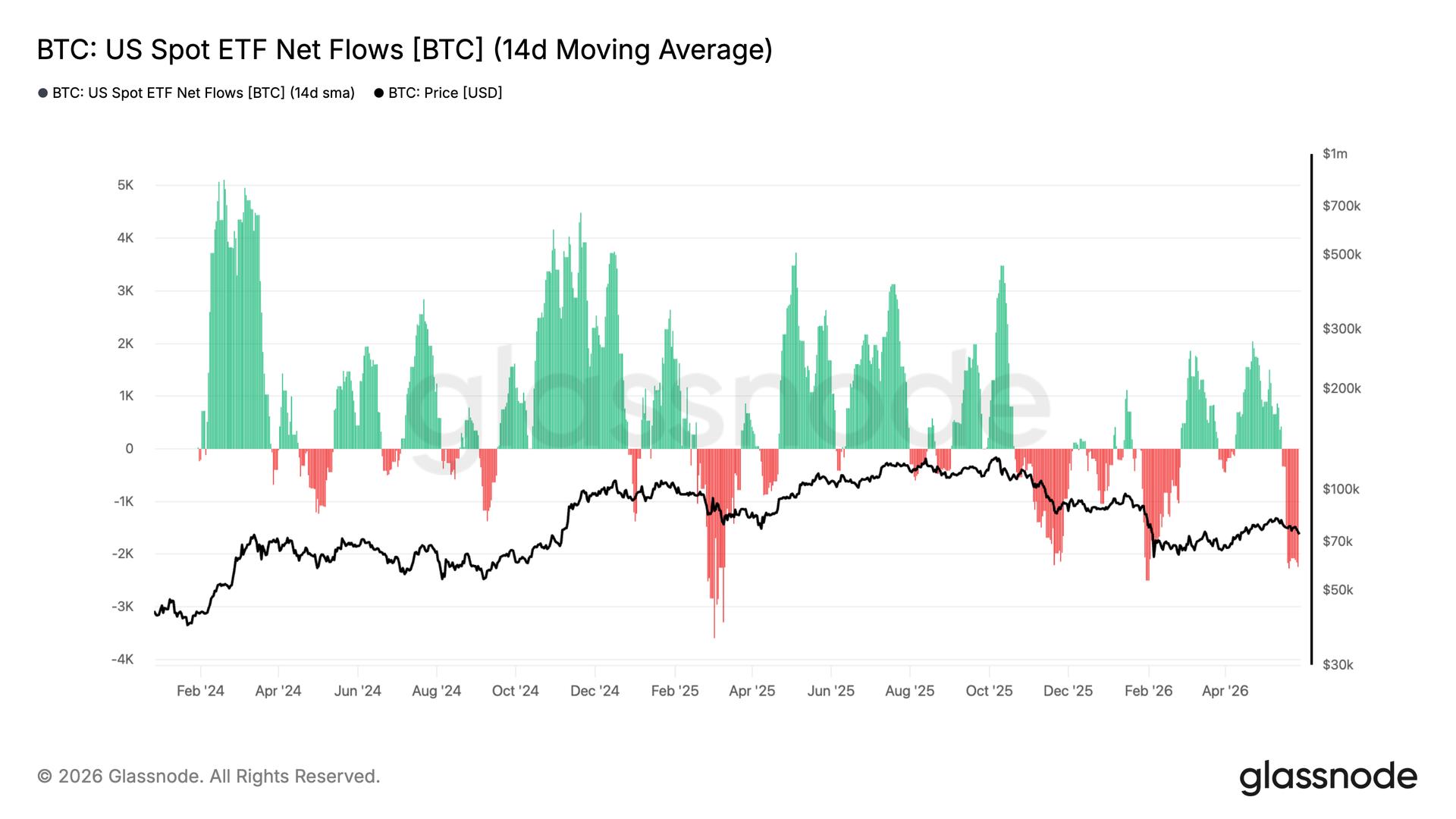
Bitcoin exchange-traded funds experienced unprecedented outflows reaching a 9-day record streak with investors withdrawing $2.8 billion, signaling shifting sentiment in the cryptocurrency market. The sustained outflow pattern marks a significant reversal from recent bullish trends and raises questions about investor confidence in digital asset valuations.
Overview
The cryptocurrency market is experiencing a significant headwind as Bitcoin exchange-traded funds (ETFs) have entered an unprecedented 9-day outflow streak, with investors pulling approximately $2.8 billion from these investment vehicles. This sustained period of capital exodus represents a record-breaking pattern in the relatively young but rapidly growing Bitcoin ETF sector. The outflows come at a critical juncture for the digital asset class, which has recently experienced substantial appreciation but now faces mounting pressure from macroeconomic uncertainties and shifting investor sentiment.
The magnitude of these outflows is particularly noteworthy given the record inflows that Bitcoin ETFs experienced following their regulatory approvals in major markets. The 9-day consecutive outflow streak underscores a dramatic shift in investor positioning and raises important questions about near-term market direction for Bitcoin and the broader cryptocurrency ecosystem. This development reflects the complex interplay between traditional finance integration and the inherent volatility that characterizes digital assets.
For investors and market observers, this outflow pattern signals a critical inflection point that warrants careful monitoring. The scale and duration of the withdrawals suggest that this is not merely profit-taking at higher valuations but potentially indicates deeper concerns about market fundamentals and macroeconomic factors affecting risk asset valuations across all markets.
Background
Bitcoin ETFs represent a significant milestone in cryptocurrency's journey toward mainstream acceptance and institutional adoption. The approval of spot Bitcoin ETFs in the United States and other major markets fundamentally changed the landscape for digital asset investment, allowing traditional investors to gain Bitcoin exposure without managing private keys or utilizing cryptocurrency exchanges. These investment vehicles democratized access to Bitcoin holdings and attracted substantial institutional capital flows into the digital asset ecosystem.
The explosive growth of Bitcoin ETF inflows since their launch reflected strong institutional and retail demand for regulated exposure to the world's largest cryptocurrency. Record-breaking inflows in the months following approval were celebrated as validation of Bitcoin's value proposition and its growing role in diversified investment portfolios. Asset managers and investors viewed these ETFs as a more secure and compliant method to participate in Bitcoin's price appreciation compared to direct cryptocurrency holdings or less regulated investment vehicles.
The current outflow pattern represents a dramatic reversal of this trend. Previous to this 9-day streak, Bitcoin ETF flows had been relatively balanced or positive, supporting the notion of sustained institutional interest in the asset class. The transition from inflows to sustained outflows indicates a significant shift in risk appetite and asset allocation decisions among professional investors who manage substantial capital pools. Understanding this reversal requires examining both recent market developments and longer-term factors affecting investor confidence in digital assets.
Key Developments
The 9-day outflow streak began amid a confluence of challenging market conditions affecting not only Bitcoin but the broader financial ecosystem. Macroeconomic headwinds, including elevated interest rates, inflationary pressures, and concerns about global economic growth, have pressured risk assets across all markets. These systemic factors create an inhospitable environment for speculative investments like cryptocurrencies, which typically benefit from lower interest rates and abundant liquidity conditions.
Several specific events and data releases appear to have triggered increased outflows from Bitcoin ETFs during this period. Disappointing economic indicators, hawkish central bank communications, and geopolitical tensions have all contributed to a risk-off sentiment that extends well beyond cryptocurrency markets. Traditional markets experienced concurrent pressure, with equity indices declining and bond yields rising, indicating a broader market reassessment of growth and inflation expectations.
The intensity of the outflows suggests that investor positioning in Bitcoin ETFs had extended further than prudent risk management might suggest. When market sentiment shifts, leveraged or overleveraged positions often liquidate rapidly, creating cascading outflows. Professional investors, managing billions in assets, likely activated predetermined trading rules and rebalancing protocols designed to reduce exposure to underperforming or higher-volatility assets during market stress periods. The 9-day duration indicates this is not a temporary phenomenon but represents a more sustained reassessment of portfolio allocations.
Market Impact
The sustained outflows from Bitcoin ETFs have had measurable impacts on Bitcoin price dynamics and market structure. Large redemptions from ETFs translate directly into selling pressure in underlying spot markets, as ETF providers must acquire physical Bitcoin or sell existing holdings to meet redemption requests. This mechanism creates direct linkage between ETF capital flows and cryptocurrency market prices, potentially amplifying downward price movements during outflow periods.
The $2.8 billion in outflows represents a substantial portion of daily Bitcoin trading volumes in many market sessions, indicating that these flows are economically significant for price discovery and volatility patterns. When outflows of this magnitude occur over compressed timeframes, they can trigger technical selling and force weaker-handed investors to liquidate positions at unfavorable prices. The compounding effects of these sales can accelerate price declines and increase volatility, creating self-reinforcing downward pressure on valuations.
Beyond immediate price impacts, the outflow pattern has psychological significance for market participants. Record-breaking outflows generate negative headlines and raise questions about the sustainability of Bitcoin's recent price rallies. This negative sentiment can have multiplier effects, encouraging additional selling among momentum-based traders and risk-conscious investors. The 9-day streak, unprecedented in Bitcoin ETF history, signals a clear change in the directional flow of capital that serves as a powerful indicator of shifting investor preferences and risk tolerance.
Institutional investors who committed capital to Bitcoin through these ETF structures may reassess their allocations based on performance and broader portfolio considerations. If this outflow pattern persists, it could force asset managers to adjust their strategic allocations and could potentially signal reduced institutional enthusiasm for Bitcoin as a portfolio diversifier. The reputational impact of negative performance and record-breaking outflows can influence future capital allocation decisions even after market conditions stabilize.
Risks and Considerations
The unprecedented outflow pattern presents several significant risks that market participants and regulators should carefully consider. First, the sustained capital exodus raises questions about market structure and the vulnerability of Bitcoin ETF valuations to cascading selling pressure. If outflows accelerate further, they could overwhelm traditional market-making capacity and bid liquidity, potentially creating pricing dislocations between ETF shares and underlying Bitcoin valuations.
Market manipulation and predatory trading practices represent another consideration worth examining during periods of heavy outflows. When capital flows become one-directional and substantial in magnitude, sophisticated market participants may attempt to exacerbate selling pressure through technical strategies designed to trigger additional forced liquidations. The regulatory oversight of Bitcoin ETFs remains an evolving area, and policymakers may need to evaluate whether additional safeguards are necessary to ensure market integrity during stress periods.
For individual investors who accumulated Bitcoin ETF positions during the bull market phase, the outflow period creates crystallization pressure on gains and forces difficult decisions about average cost and future conviction. Panic selling during periods of record outflows can lock in losses for retail investors and transfer wealth to more sophisticated market participants who maintain conviction through volatility. The psychological challenge of holding positions during record outflows cannot be underestimated as a driver of additional selling pressure.
The broader question of whether Bitcoin and cryptocurrency markets are sufficiently mature and liquid to handle institutional asset manager positions remains unresolved. If even larger outflows occur, or if they accelerate, market infrastructure could face stress that impacts price discovery and fair valuation. The interconnections between Bitcoin ETF markets, spot cryptocurrency exchanges, and derivatives markets create systemic implications that extend beyond individual investors to potentially affect broader financial stability.
What to Watch
Market observers should monitor several key indicators to assess whether the current outflow streak represents a temporary correction or a more fundamental repricing of Bitcoin's value. Trading volumes across cryptocurrency exchanges and ETF platforms will provide crucial signals about whether outflows continue or stabilize, and whether new selling pressure emerges from derivative liquidations or other leveraged positions. Persistent high volumes combined with continued outflows would signal sustained selling pressure, while declining volumes could indicate the outflow period may be nearing completion.
Bitcoin's price level and technical support levels warrant close attention as they may influence future outflow patterns. If Bitcoin breaks below significant technical support levels, additional algorithmic and automated selling could trigger, potentially accelerating outflows further. Conversely, stabilization at key price levels and the emergence of accumulation patterns could signal that the worst of the outflow period has passed and that some investors view current valuations as attractive.
Macroeconomic data releases and central bank communications will likely continue driving risk asset outflows until inflation expectations decline and interest rate trajectory becomes clearer. Investors should track Federal Reserve communications, inflation data, and economic growth indicators for signals about the sustainability of the broader risk-off environment affecting Bitcoin and other alternative assets. Any positive surprises on inflation or economic resilience could quickly reverse the current outflow trend.
Regulatory developments and institutional investor commentary will provide important context for understanding whether the outflows reflect temporary rebalancing or more fundamental concerns about Bitcoin's role in portfolios. If major asset managers announce reduced cryptocurrency allocations or increased caution about digital assets, this could signal that outflows have further to run. Conversely, statements of continued conviction in Bitcoin's long-term value proposition despite current volatility could help stabilize flows.
Conclusion
The 9-day record-breaking outflow streak from Bitcoin ETFs, characterized by $2.8 billion in investor redemptions, represents a critical moment for the cryptocurrency asset class and the institutions that have embraced digital assets. This unprecedented pattern reflects broader macroeconomic pressures and shifting risk sentiment that extends well beyond cryptocurrency to affect all risk assets. The transition from robust inflows to sustained outflows signals a fundamental recalibration of investor positioning and risk tolerance in the Bitcoin market.
While Bitcoin ETFs have successfully democratized access to cryptocurrency holdings and attracted substantial institutional capital, their performance during stress periods remains a crucial test of their viability as long-term portfolio components. The current outflow episode provides important data about how large-scale capital movements through ETF structures impact underlying cryptocurrency markets and price discovery mechanisms. Market participants are learning valuable lessons about liquidity, volatility, and the speed at which investor sentiment can shift in digital asset markets.
Looking forward, the sustainability of Bitcoin ETF outflows and the broader trajectory of institutional cryptocurrency investment will depend heavily on macroeconomic developments and investor confidence in the asset class. The record-breaking outflow streak has created a critical inflection point that could either represent a major selling opportunity for long-term believers in Bitcoin's value proposition or a warning sign about overextension in digital asset valuations. Market observers should remain vigilant in monitoring capital flows, price levels, and macroeconomic conditions as the cryptocurrency ecosystem navigates this challenging period and determines whether Bitcoin can maintain its status as an institutional-grade investment vehicle or retreats to its historical role as a speculative alternative asset.
Original Source
CoinDesk